
Marrakesh, Morocco
A couple of days spent exploring vibrant Marrakesh, experiencing the sights, sounds, food and smells of this amazing city.
After a busy 9 months, neck-deep in a Business Transformation project across Ireland, Germany and Scotland, I (Richard) set off on my annual “relaxation” holiday. Desperately in need of sun, relaxation, calm and good food… now you may think that Marrakesh may not be the best option for relaxation & calm, but you would be very wrong!
Waiting, as I usually do, until the Scottish, Irish, German and English Schools went back after the summer holidays, and juggling work commitments, I booked my Morocco trip for mid-September, not only to avoid the hordes of families, but for a generally quieter experience, with it coming towards the end of the summer season.
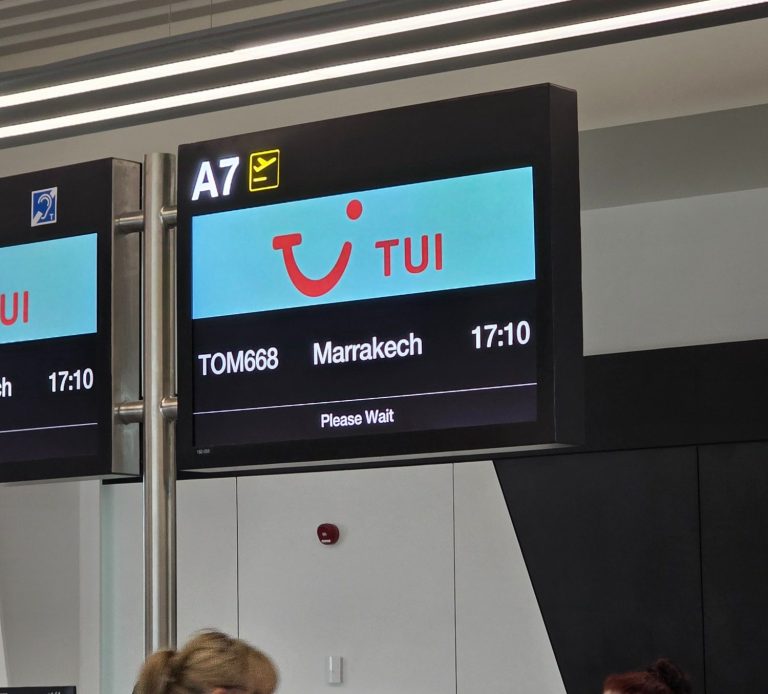
I booked my trip roughly 1 month in advance, as although last minute deals aren’t nearly as cheap or readily available as they used to be, there are still occasionally good deals to be had. As this was my annual “relaxation” holiday, I opted for a 9-day all-inclusive trip with TUI. This just makes life easier, particularly if you are only planning to go out exploring for a couple of days, and means you don’t have to worry about too many additional costs, as for the most part, your food and drinks are all covered, and you only need to think about the couple of days you will be out and about.
This also allows you to plan and think about a few things in advance. My holiday was leaving from and returning to Manchester, so this allowed me to book my train home (to Glasgow) in advance. I was able to secure myself a cheeky wee first-class train ticket home for the same price as a standard class one due to booking it sufficiently in advance.
I was also able to book myself a private tour of Central Marrakech and the Madina for one of the two days I planned to spend exploring the city, as well as arranging private transport for the additional day I wanted to go into the city which I did via Viator.
Heading Out:
Ever the glutton for punishment, I booked my holiday to start at the end of a business trip. As the flight from Frankfurt to Manchester was actually cheaper than the return flight from Frankfurt to Glasgow, I was able to book this flight through work. So leaving Frankfurt on the Friday morning, I set off for Manchester. A quick 2-hour flight, and a 3 hour sit on the floor of Manchester Airport Terminal 2 check-in with my kindle later, I was checked-in and on my way.
The flight time was roughly 3 hours 45 mins. I was flying with TUI Airways, and as I was all-inclusive, Transfers to the hotel were included. I landed in Marrakech around 8.30pm, and had hoped to be in my hotel before 10pm, to be able to make the later dinner. Like in Tunisia however, Moroccan Immigration had other ideas.
Nothing bad happened of course, just that Moroccan immigration works at a near glacial pace. As I was travelling on my Irish passport, when my turn in the queue came, I was though immigration quicker than the rest of the Brits, as they seemed to be taking most of the British (passport holders) holiday makers fingerprints (Although not the Irish). All in, it took about an hour and 20 ins to get through immigration and baggage claim. After this though, it was relatively plain sailing. A few mins in the warm evening air, then on to the bus and off to the hotel.
Where I stayed:
As I have said earlier, as this was my annual relaxation holiday, this was one of my primary considerations for this holiday. I stayed at the 4* Valaria Madina Club resort, roughly 14km outside central Marrakesh.
This hotel had pretty much everything I was looking for:
- 3 Restaurants
- 5 Bars
- 8 Pools (1 of which is Adults only)
- Spa
- Waterpark
- Gym
- Sports facilities & tennis courts
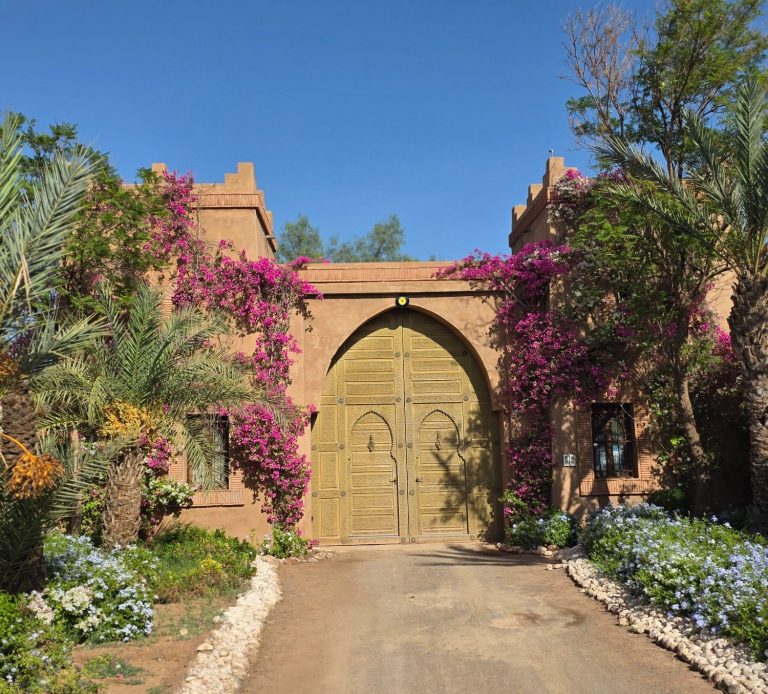
The hotel was nice and comfortable, the staff welcoming, the food excellent and the drinks plentiful. The hotel seems to have been traditionally aimed at the French market until recently, but there were plenty of English speakers, and the staff all spoke excellent English.
The rooms were comfortable, bright, airy, and most importantly, air conditioned (as it was to be 34-38c for the duration of my stay)! The only thinks I had a minor complaint about was the WIFI, which at times was slower than death – But for the most part not a problem, as I had a solid and fast connection via my Saily eSim, for which I opted for the 5GB for 30 day plan, which was more the enough for my 9 day trip, for both browsing and streaming.
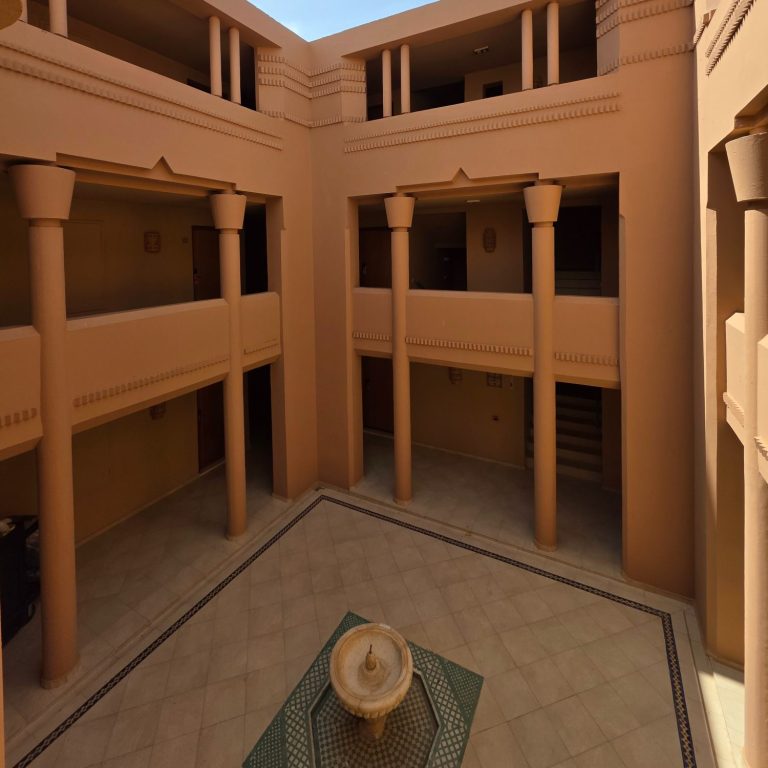
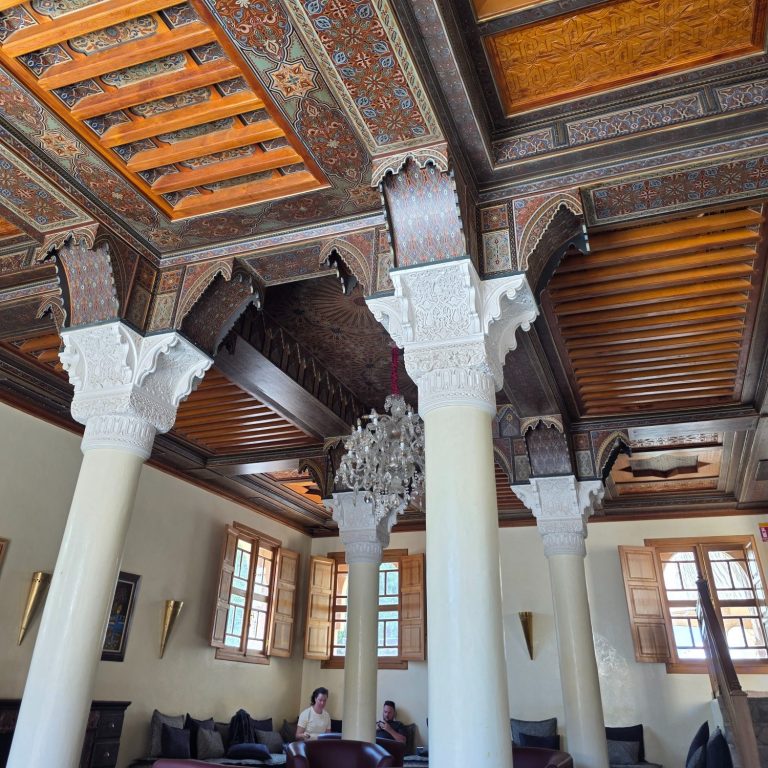
The resort was in the traditional Moroccan style, with the accommodation split among multiple ‘Riad’s’ (Traditional house) with a large bright marble courtyard and the centre of each. My room was in Riad Saffran. As with traditional Moroccan architecture, the outside of the buildings look plain and unassuming, while the interiors are considerably more opulent and ornate. The Riad’s are surrounded with bright, fragrant, flower lined garden walkways and date palm trees.
Of course, if you are visiting Marrakesh for a city break, I would recommend booking yourself a traditional Riad hotel within the Medina to make sure that you get the full experience of the bustle and pulse of the city.
My first 4 days: Operation Relaxation
As per my plan, I spent my first 4 days focusing purely on relaxation. Being a creature of habit, routine and structure, this consisted of breakfast, followed by sunbathing and burning my way through my books at a rate of knots (Roughly a book a day), some cocktails, lunch, more reding and cocktails, an occasional swim in one of the pools to cool down. Around 4pm each day, I would head back to my room for a shower and a nap, followed by getting changed for the evening. Around 6pm I would head to the bar with my kindle for a couple of drinks, before heading for dinner around 7.30, followed by a few drinks. I’m not really a hotel ‘entertainment’ kind of guy, so I was usually chatting with some of the people I met around the pool, or reading while listening to my Spotify playlist.
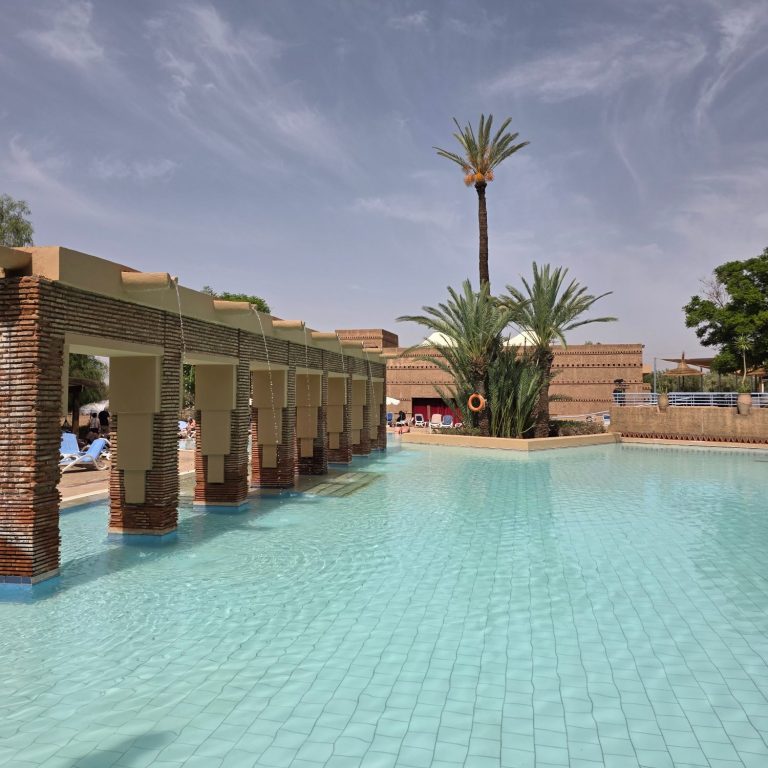
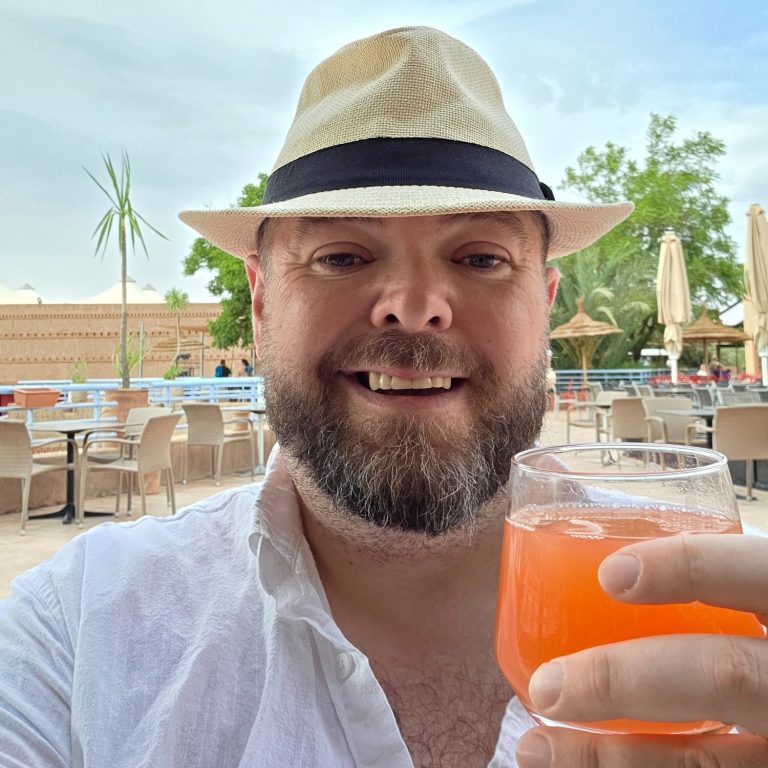
The food at the hotel was excellent, with lot of delicious local Moroccan dishes, and a good range of mediterranean and Mediterranean dishes. As I usually do when travelling, I mainly stuck to the local dishes.
Normally being a coffee and croissant kind of guy, for breakfast I went the traditional Moroccan route of strong coffee, fresh bread and honey, Moroccan pancakes (Baghrir), and Harsha pastries.
For lunch and dinner, I consumed almost my body weight in couscous, tagines (Lamb, Beef, Chicken to name but a few), Harira soup, Bissara, Chicken rfissa and Khubz. Moroccan cuisine contains a rich combination of light, flavourful spices and flavours. It is filling, but not too heavy, but still surprisingly more-ish.
Exploring Marrakesh: Day 1
As this was my annual relaxing holiday, I allocated a maximum of 2 days for sightseeing and exploring (Otherwise I would have walked and explored myself to exhaustion, defeating the point of the trip!).
On the first day of exploring, to make sure I see the key points as well as some hidden-gems known only to locals. I booked the ‘Marrakech City Tour: Private Custom-Made’ tour with Atlas Excursion through Viator.
The driver collected me from the hotel at 8.30am at the hotel in a very modern, air-conditioned people carrier, compete with bottles of water, and drove me into the city, picking up my guide along the way, and we headed to the Medina. While this may seem an early start, but it was actually a great idea, as it means that you beat the crowds at the main sites.
The Tour allowed you to customise your tour by selecting the main sights you want to see on top of the Medina & Souk tour from the list of:
- Bahia Palace
- Jardin Marjorelle
- YSL Museum
- Saadian Tombs
- Madrassa Ben Youssef
I opted for the Bahia Palace, Madrassa Bin Youssef & Saadian Tombs.
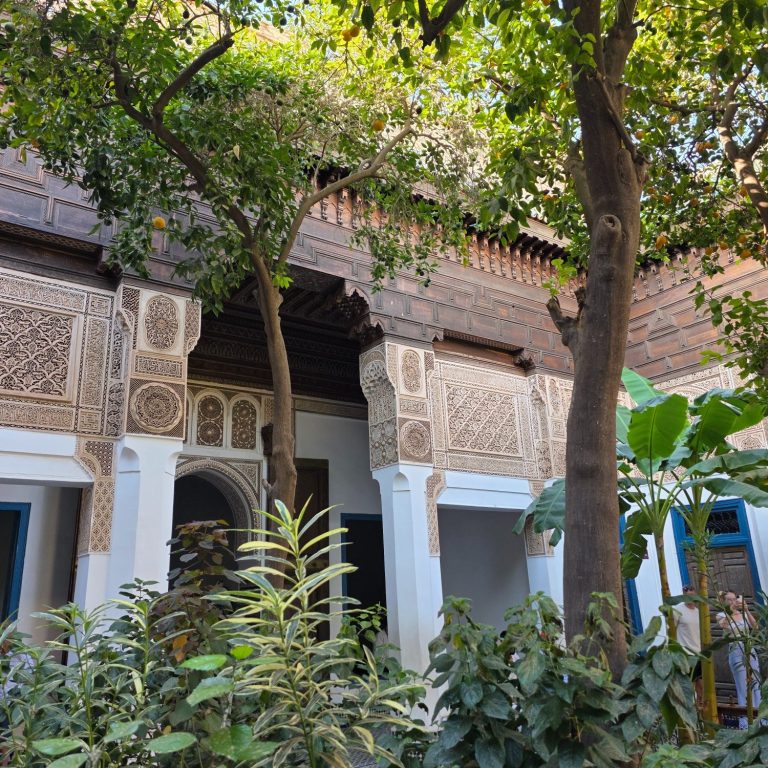
Small Riad, Bahia Palace
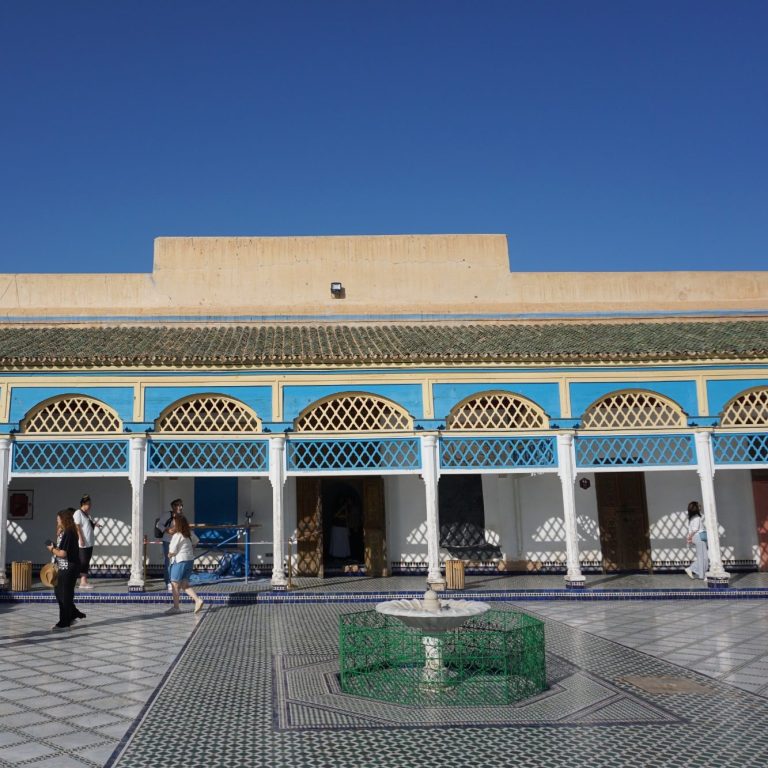
Large Courtyard, Bahia Palace
The driver took us to the starting point of the tour in the Jewish Quarter of the Medina, the location of the Bahia Palace. The Bahia Palace is a former royal palace, and the former residence of the French Resident-General during the French Protectorate of Morocco, and occasionally still used by the Moroccan king to host foreign dignitaries. It features a large Grand Courtyard and Harem, the ornate and traditional ‘Small Riad’ and the white marble small courtyard, and the Grand Riad.
My guide gave me a detailed overview of both the history and the operation of the palace, guiding me through the various sections, and providing unique insights to each of the areas, their history, purpose and use over time.
The palace suffered severe damage in the September 2023 earthquake, but the majority of the damage has now been repaired. The palace gardens, although small were beautiful and aromatic, providing a real sense of calm in a city that truly 'Vibrates' with life.
At the (brilliant) suggestion of my Guide, we swapped the Saadian Tombs for a visit to the Secret Garden (Le Jardin Secret), a garden originally dating back to the 16th Century featuring an International garden, and a garden with aromatic flora & fauna from the Islamic world. A quiet and peaceful sanctuary in the heart of the Medina.
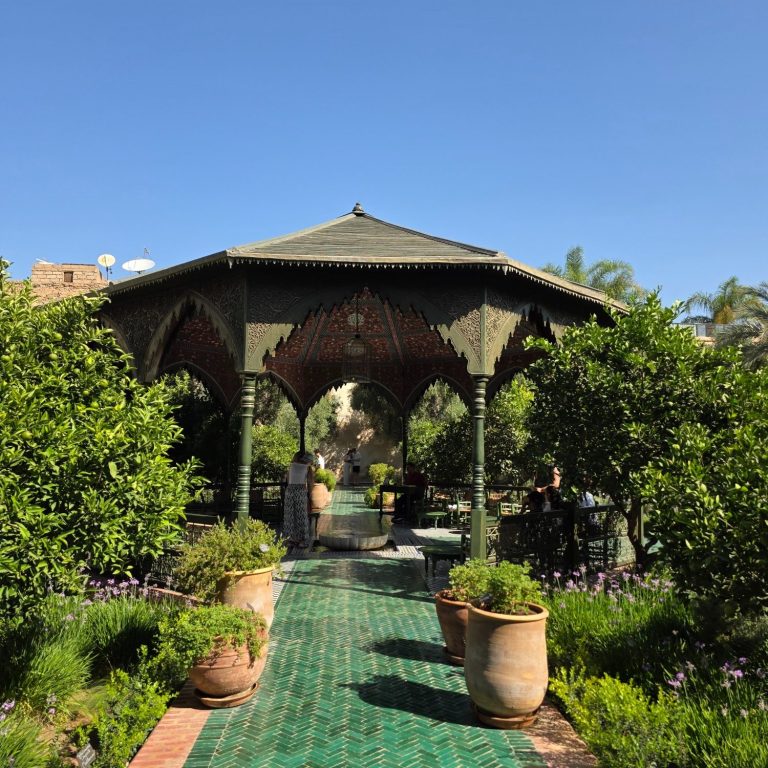
Islamic Garden, Secret Garden (Le Jardin Secret)
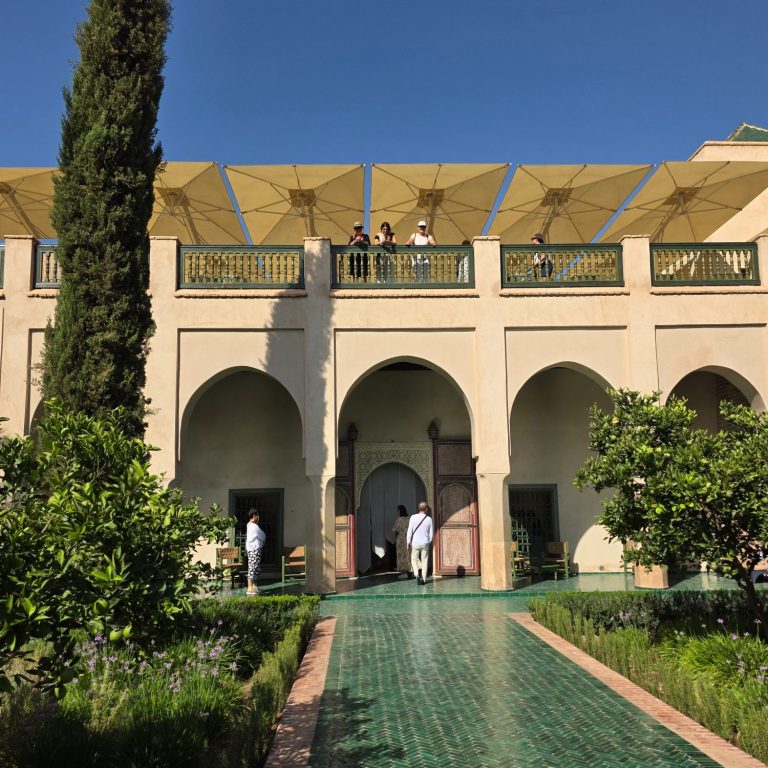
Pavilion, Secret Garden (Le Jardin Secret)
After my visit to the Secret Garden, my guide gave me a tour of the Souks, the bustling heat of the Medina.
I was very thankful to have my guide, who knows the Souks like the back of his hand, as in this labyrinth of small interconnected lanes and passage ways you could easily get lost for several hours. Another huge benefit of having the guide, is that you are able to see and experience all of the individual areas of the Souks - Metal work, Lighting, Spices, Arts & Crafts, Shoes, Food, leather goods and so much more.
Each section is a fascinating insight into the way of life in Marrakesh, as they locals buy almost everything from these small independent farmers, traders and craftsmen, rather than the large chain shops and department stores that we are used to. This is also a Unesco World Herratige Site, and it is clear that the Moroccan Government continues to invest heavily in infrastructure and facilities here.
Shopping in the souks is both a sport and an art. I wandered through alleyways piled high with leather slippers, rainbow-coloured ceramics, metal lamps, handwoven rugs, and more spices than I could name. Haggling is expected and, while not a process I am used to or enjoy, a part of everyday life here that can bag you what you are after for a fraction of the starting price. Thankfully the traders are not pushy, although be wary of some traders trying to get you into their shop.
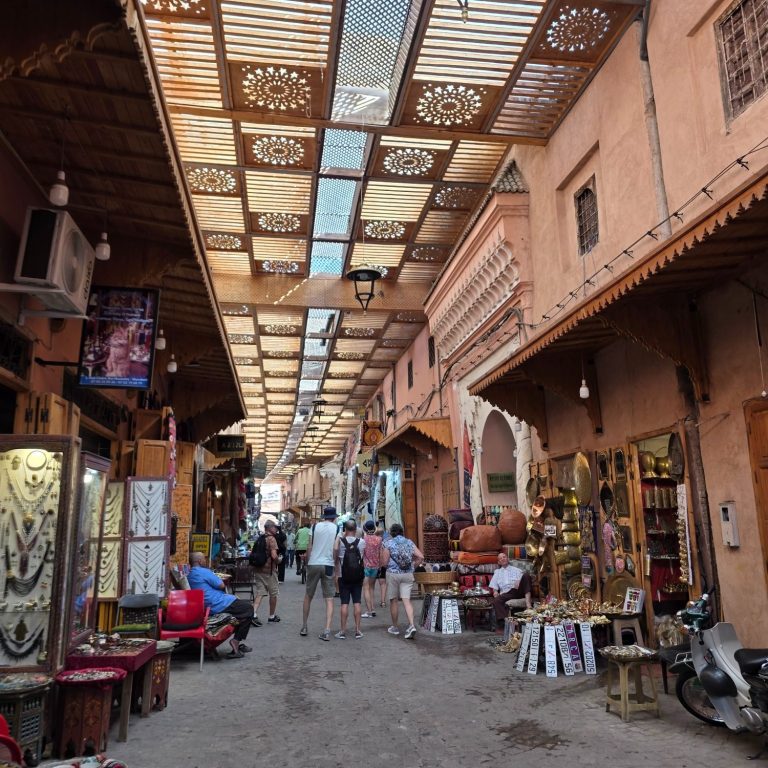
Lanes of the Souk
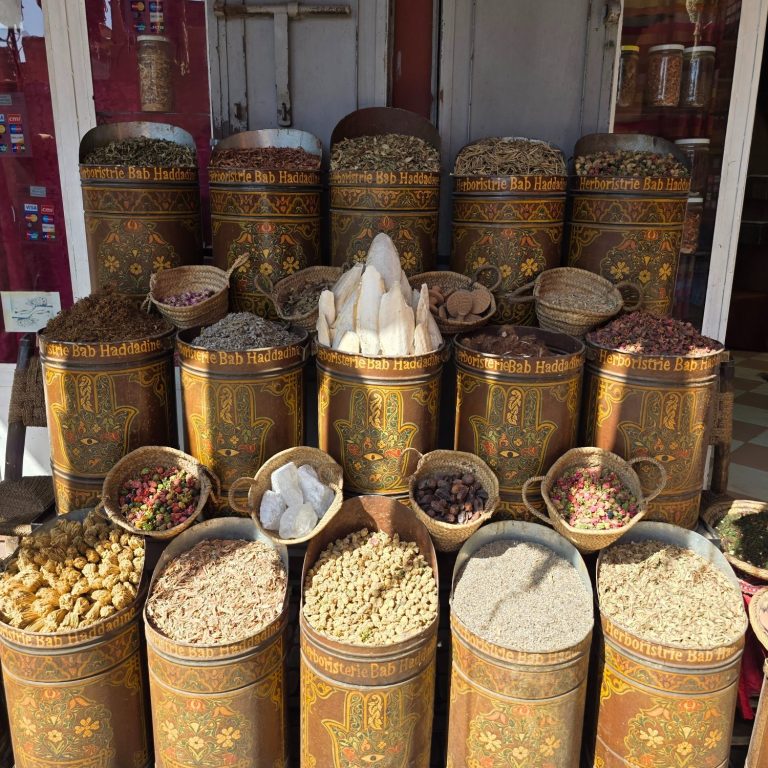
Spices area of the Souk
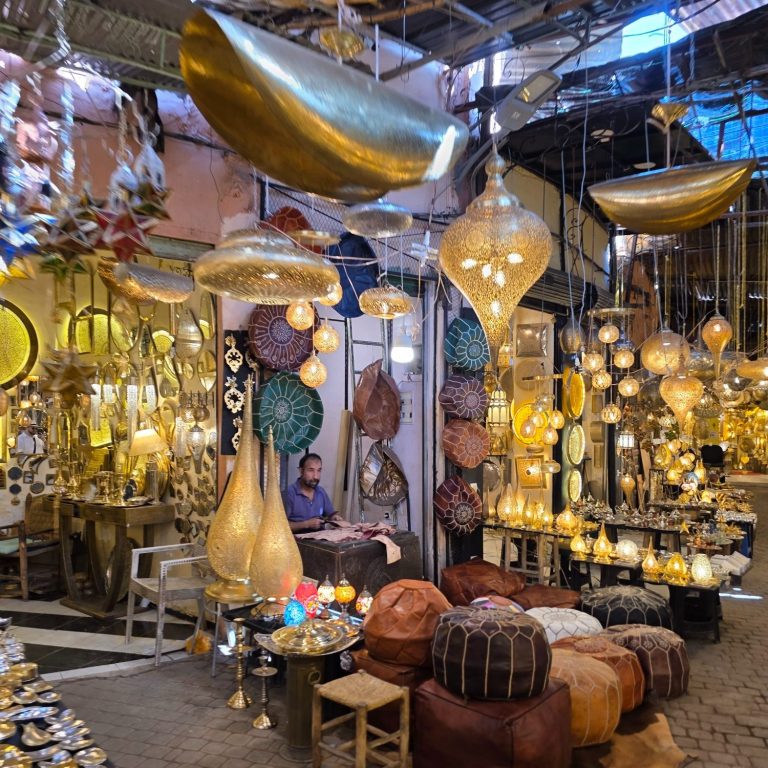
Lighting area of the Souk
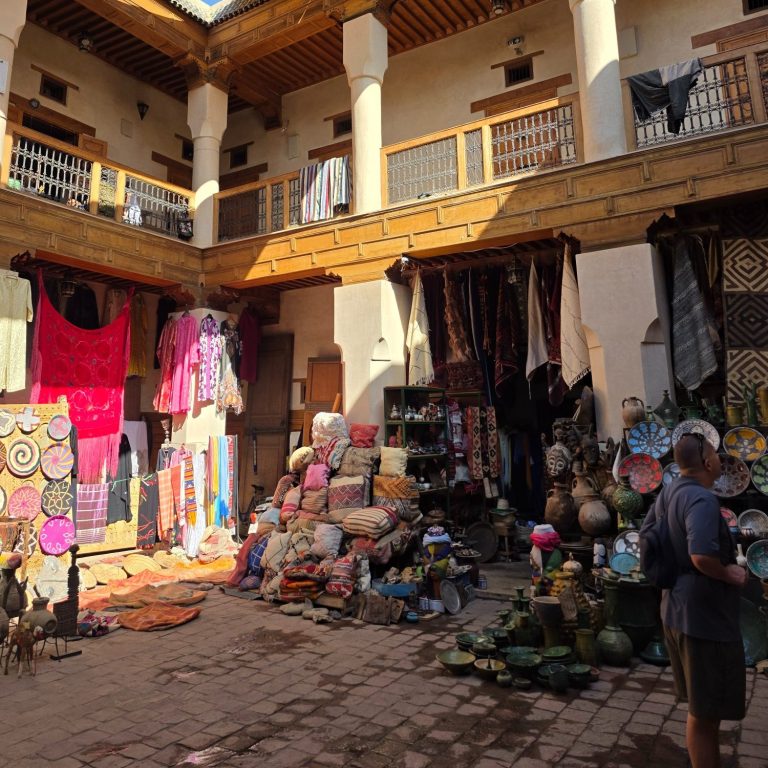
Clothing, Shoes & Arts & Crafts area of the Souk
The tour of the Souk’s was on the way to the Madrassa Ben Youssef, stopping off to explore Almoravid Koubba en-route. I have been to a few Madrassa’s across the Islamic world from Istanbul, to Samarkand, but this was by far one of the largest, custom built Madrassa’s I have visited.
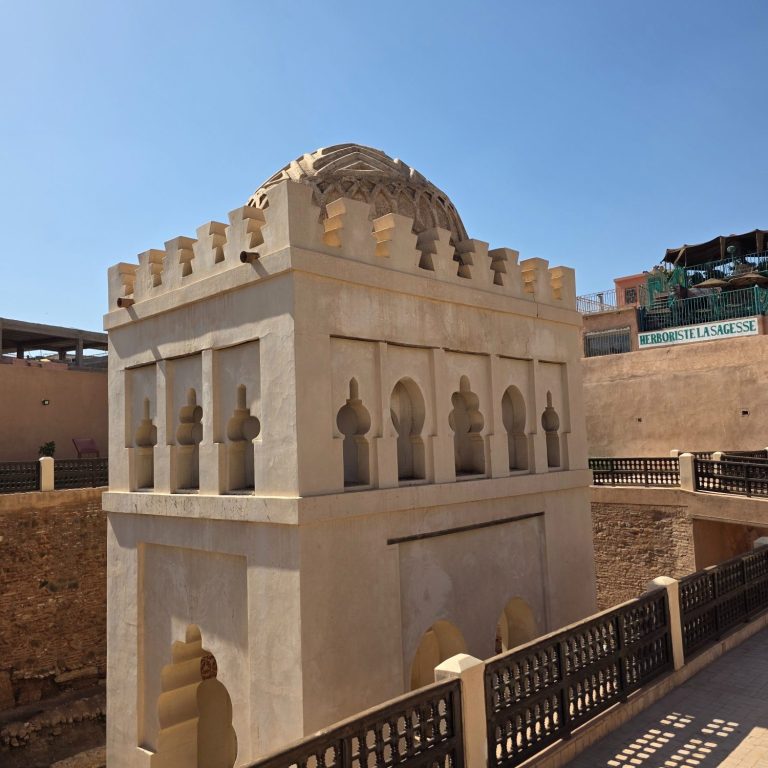
Almoravid Koubba
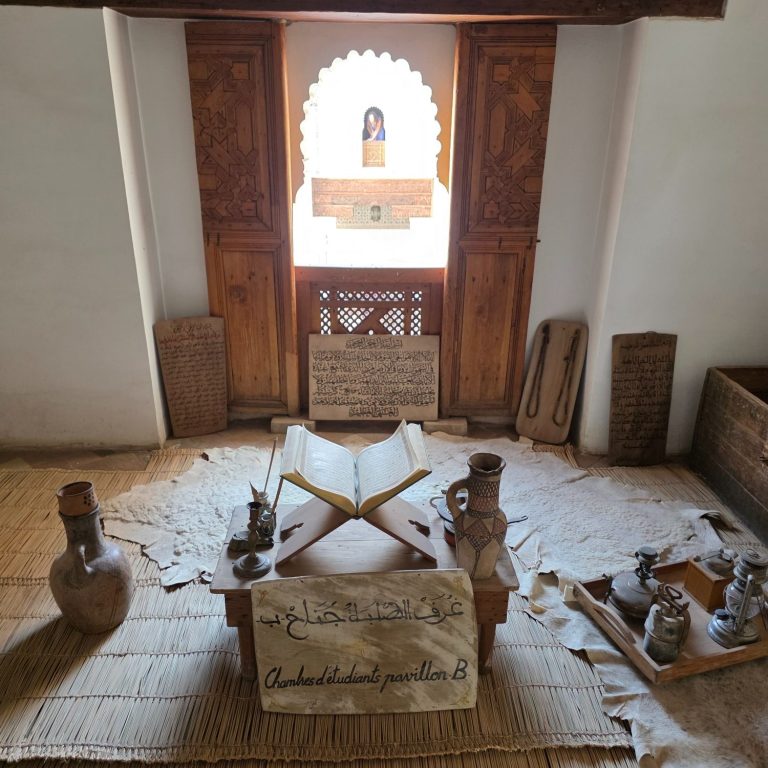
Madrassa Ben Youssef
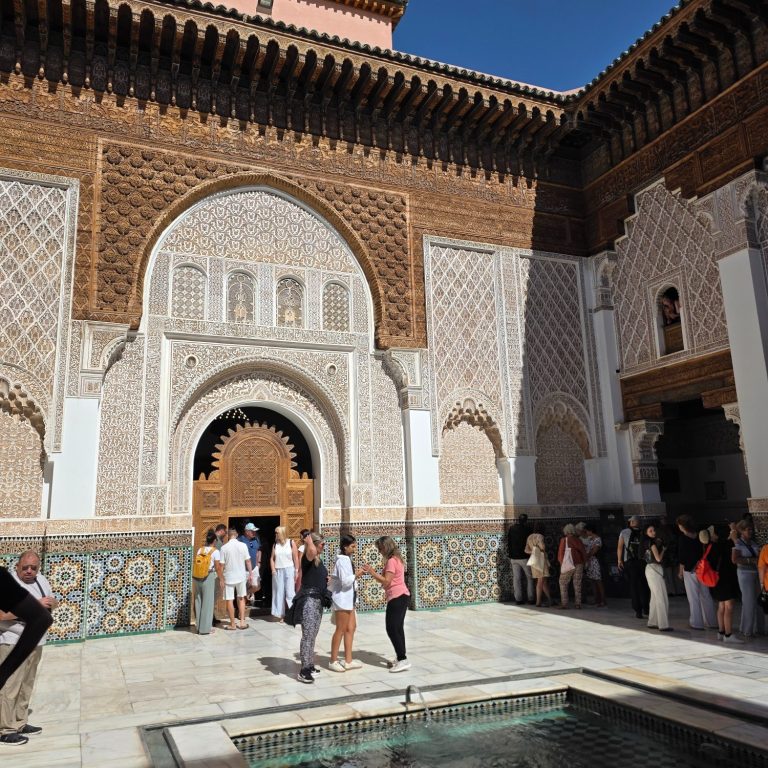
Madrassa Ben Youssef
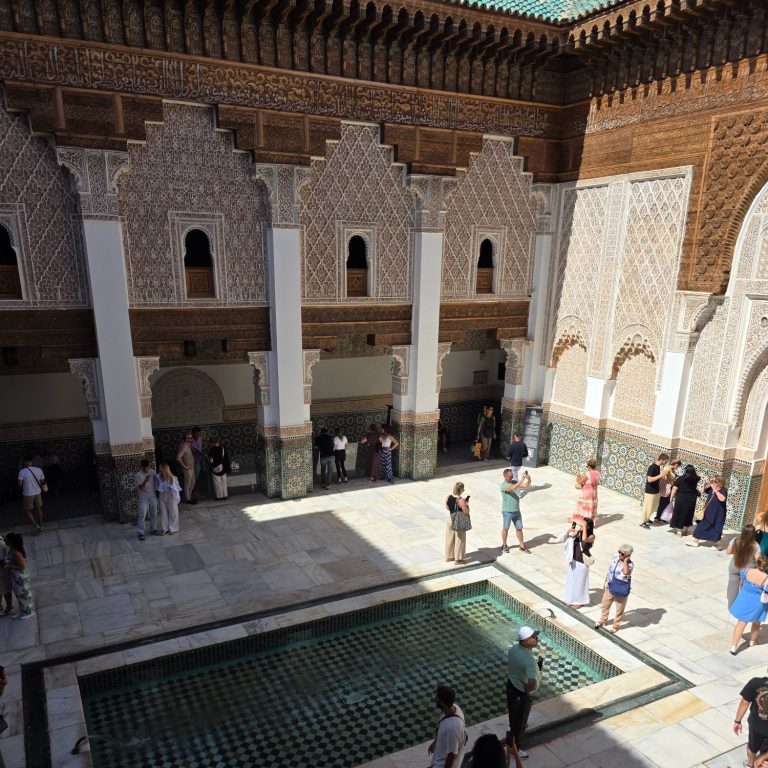
Madrassa Ben Youssef
The tour ended with a walk through the simultaneously noisy, chaotic but surprisingly charming Jemaa el-Fnaa. the main central square of Marrakech. My guide pointed out all of the main and notable points of the square, while not delving into too many points, as he knew I was coming back the next day to explore. We stopped off for a coffee at Le Grand Balcon du Café Galcier, sitting in the sun, with a fantastic view over Jemaa el-Fnaa and the throning mass of people below. We finished off with a walk around the square outside the Kotuoubia Minaret & and the museum of La Koutoubia. From here, my driver collected me and took me back to the hotel.
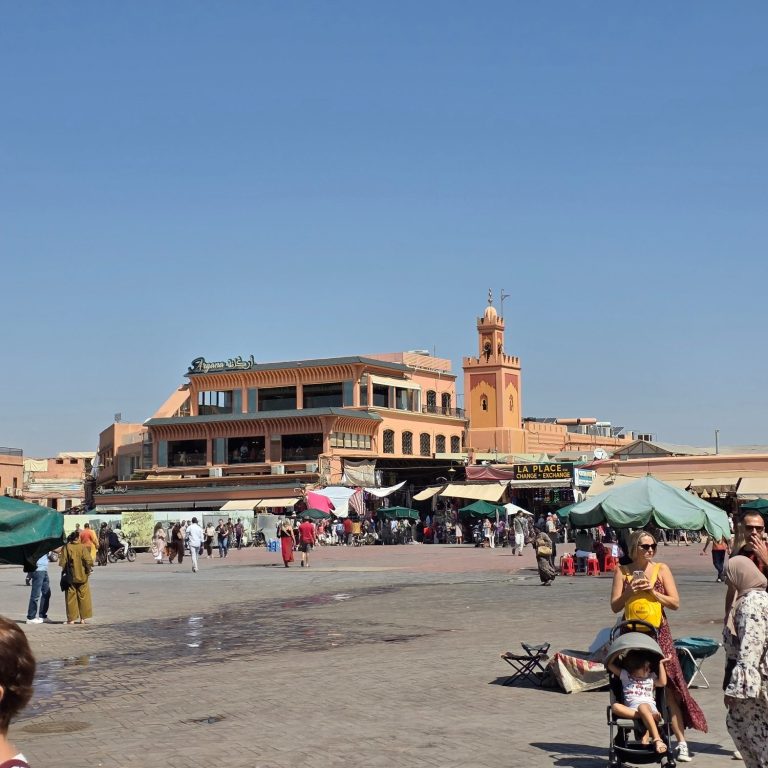
Jemaa el-Fnaa Square
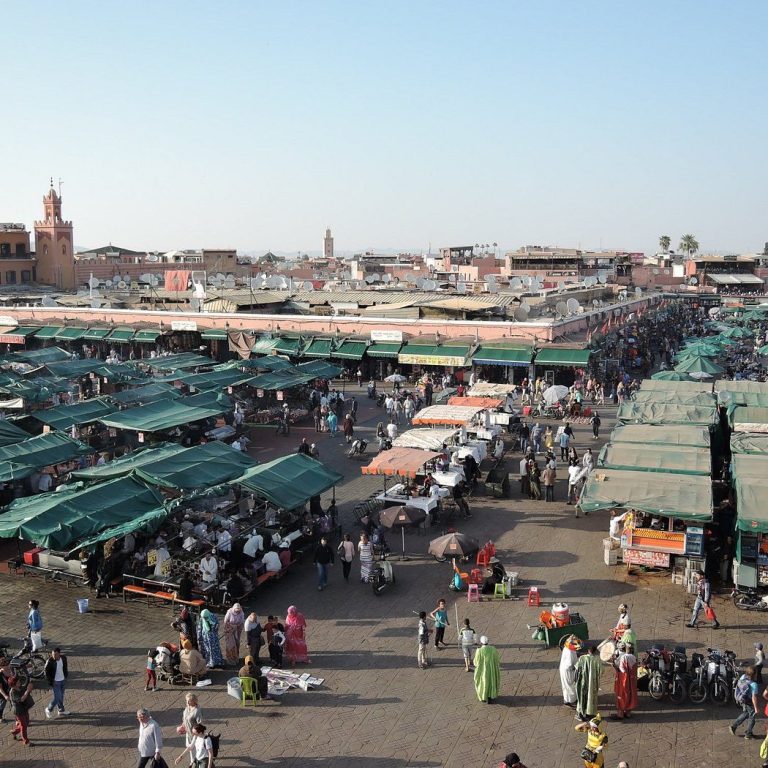
View from Le Grand Balcon du Café Galcier over Jemaa el-Fnaa Square
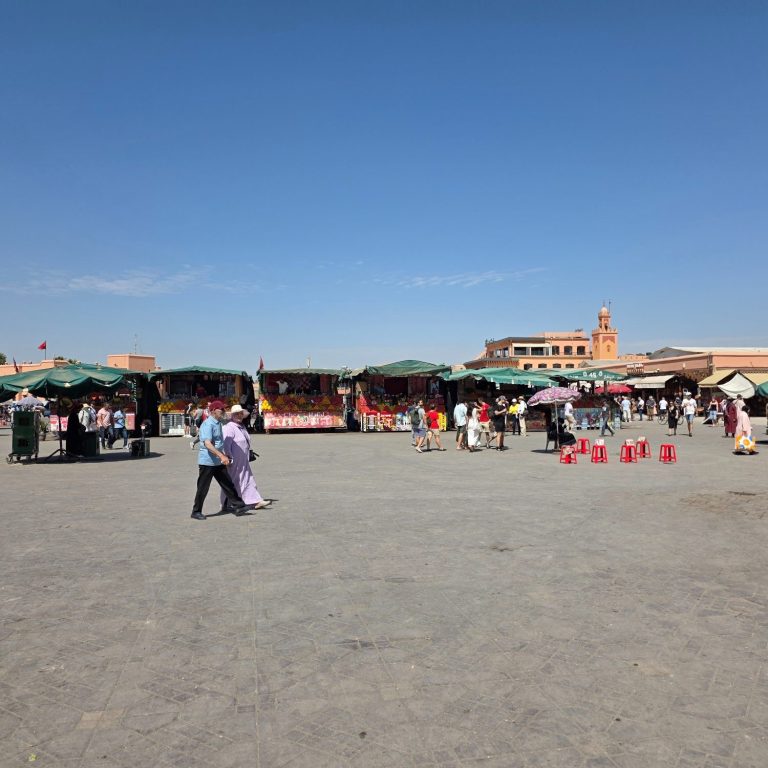
Jemaa el-Fnaa Square
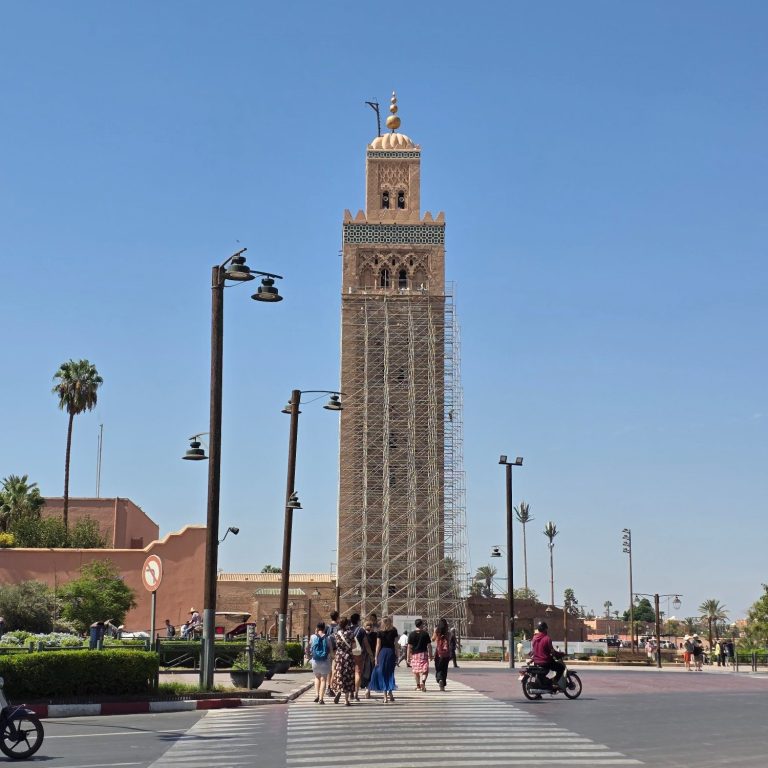
Kotuoubia Minaret & and the museum of La Koutoubia
Exploring Marrakesh - Day 2
I started day 2, but taking a Bolt taxi from the Hotel to the Jardin Majorelle. It is known as one of the most beautiful gardens in the world, and I can see why. Covering more than 10,000 square meters, it is home to 300 species of plants, inspired by Hispanic-Moorish gardens and Islamic Gardens. The Villa Majorelle, the home of the Gardens original creator, Jaques Majorelle. The villa itself is an icon or Moroccan architecture, combining traditional and modern elements, with French Deco styles. Built in the 1920’s, the exterior is a vibrant blue colour, with highlights of yellow and lavender.
The villa was discovered by Yves Saint Laurent in 1966 and is said to have been instantly captivated by it, and later purchased the garden and villa in 1988 (His 3rd Purchase in Marrakech), taking up residence in Villa Majorelle, renamed Villa Oasis.
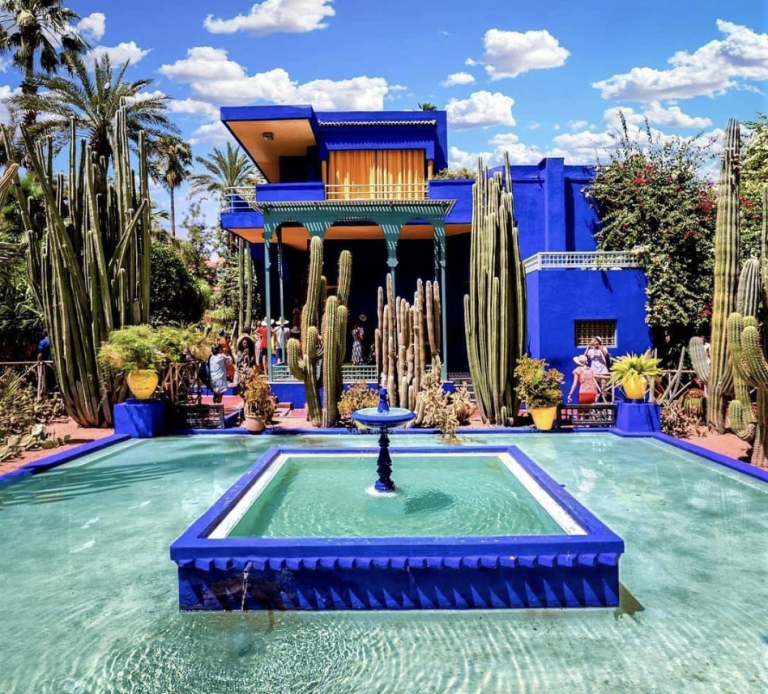
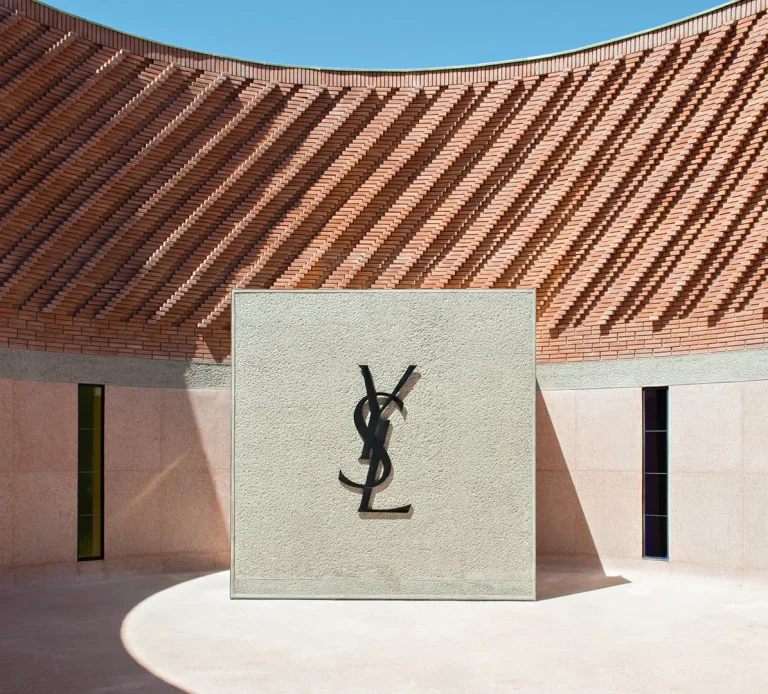
The now Berber museum, which houses items showcasing the culture, history & achievements of the Berber People, was originally the Studio of Yves San Laurent.
This place held huge importance for Yves Saint Laurent & Pierre Bergé, with Yves Sint Laurent commenting "For many years, I have found in the Majorelle garden an inexhaustible source of inspiration and I have often dreamed of its unique colours".
Continuing on this theme, I walked the short distance to the YSL Museum, not far from the Jardin Majorelle, and on the aptly named Rue Yves Saint Laurent. The building itself is an earth-coloured building, designed in cubes and curves. The museum features examples of the work of Yves Saint Laurent, including clothing, accessories, sketches, photos and videos, covering his expansive work. There is also a hall dedicated to the life and work of Jacques Marjorelle, along with changing temporary exhibits.
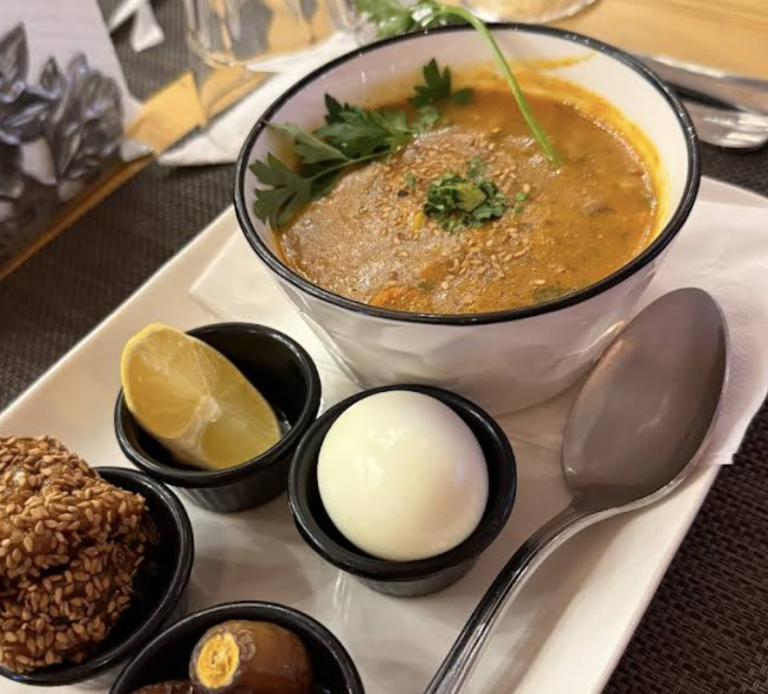
After visiting the museum, I took a short walk back towards the Medina, stopping off at the restaurant ‘La Terrasse Du Jardin’, a light and bright, sun-filled eatery for a light lunch. I ordered the Moroccan Soup, something I have really developed a like for while I have been here.
After lunch, I ordered a Bolt from the restaurant to the El Badi Palace. The El Badi Palace is a historical Saadian Palace in the heart of Marrakesh from the late 16th century, celebrating the Sultan’s victory over the Portuguese. In comparison to the Bahia Palace in its resplendent finishes, El Badi Palace is primarily the ruins of what remains, git dives unique insight into the splendour that once was. I love to visit sights like this, having seen what still is, and comparing to what once was.
The primary sights include the huge central courtyard, filled with orange trees and reflecting pools. This really gives you an idea of the scale of the Palace. This is coupled with being able to climb the ramparts, giving you panoramic view of the Koutoubia Mosque and the Medina.
The palace also features small displays highlighting Saadian architecture more broadly, along with details of the construction of the palace, and it’s eventual looting by another Sultan.
One of the unique features of the El Badi Palace is the underground passages, which are open to explore. These include underground chambers and former prison cells. Without too much additional details provided, these definitely add to the mystery and atmosphere of the palace.
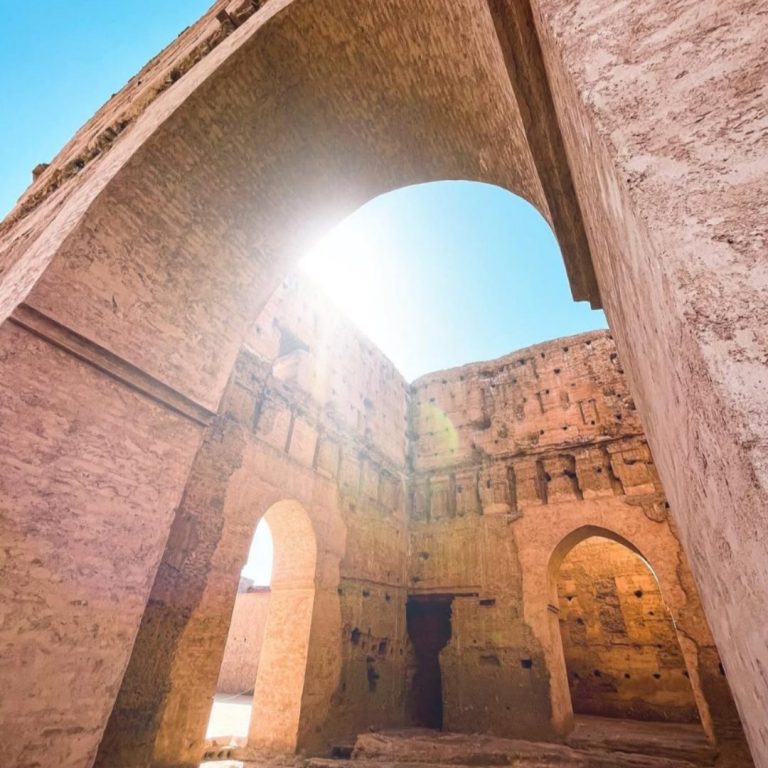
El Badi Palace Ruins
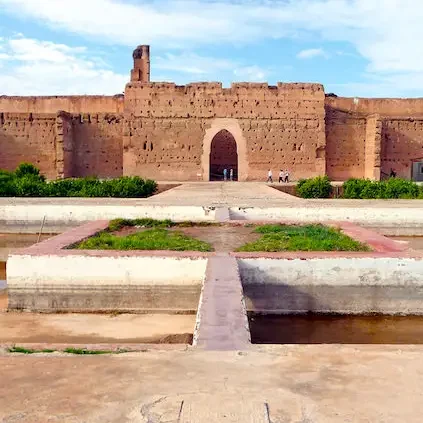
El Badi Palace Courtyard
Following exploring the ruins, and the sun high in the late afternoon sky, I got a Bolt back to my hotel, to continue the relaxation aspect of my trip.
Overall, I thoroughly enjoyed Marrakesh, and has given me the desire not only to return to Marrakesh and explore further, but also to explore other parts of Morocco, which id definitely a fascinating country, rich in history and culture.
Some tips for visiting Marrakech in Mid-September
- Weather: Hot but not oppressive (highs around 30°C – Although 34-36 during my visit). I suggest having a bottle of water on you at almost all times.
- What to Wear: Light, breathable clothing; modesty is appreciated in the medina, but men can freely wear shorts and tshirts without any issues. For women, light dresses which go to the mid-point of the knee seemed to be the standard for female tourists.
- Money: Cash is king; Moroccan dirhams are needed in most places.
- Safety: The medina is generally safe, but be mindful of pickpockets and excessively friendly “guides.”
- Don’t Miss: The Majorelle Garden, Bahia Palace, Ben Youssef Madrasa, El Badi Palace, the Souks of the Medina
PS: Marrakech Maps and Itineraries are available in ‘Ready to Go’ for a broad mix of sightseeing, ‘Customised’, more tailored to you and your interests or ‘Bespoke’, for an experience entirely curated for you.