Gdansk, Poland
A few days in an elegant Baltic port city with soul.
Recommended Time to Visit: June through September (Warm and Sunny) November through February (Cold & Snowy)
Recommended Duration: 4-5 days for sightseers, longer for those who want to immerse themselves
Costs while there: ££
Vibe: Chilled & Relaxed
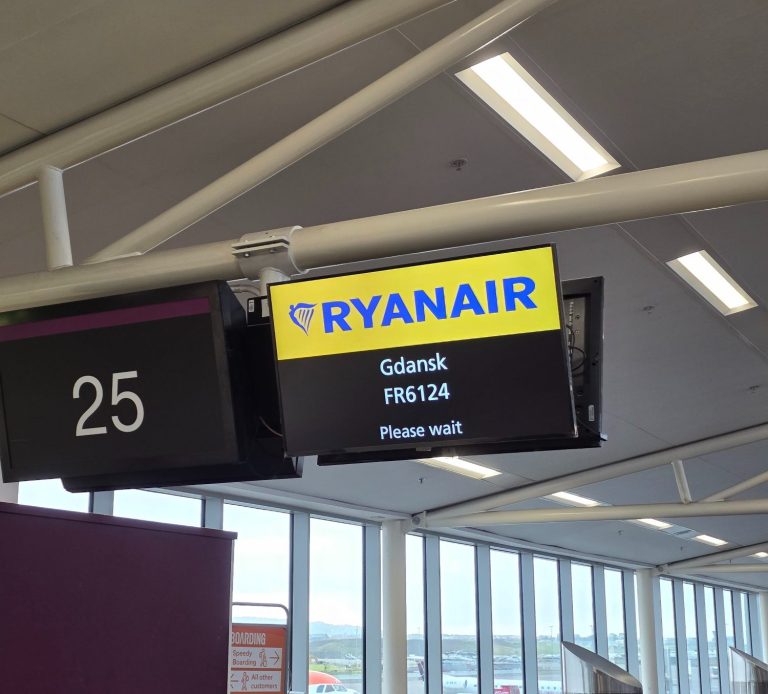
I recently went on a 5 day trip to Gdansk in Poland in July, a destination that has been on my “want to see” list for a long time, and thanks to a direct route opening up from Edinburgh Airport, I was finally able to go, for the price of a good city break, rather than it costing me a small fortune with multiple transport connections.
I have been to many places in Poland, and Gdansk is clearly another jewel in Poland’s crown when it comes to beautiful and historic cities across the country. Gdansk is a historically significant city, not just for Poland, but for Europe as a whole. First recorded as Gyddanyzc just before 1000 AD, later Danzig as part of the German Empire, before becoming modern day Gdansk. Always known as a place of culture and learning, Gdansk, its culture and architecture have been heavily influenced by the Polish, German’s and Dutch due to shifting boarders and historic power struggles.
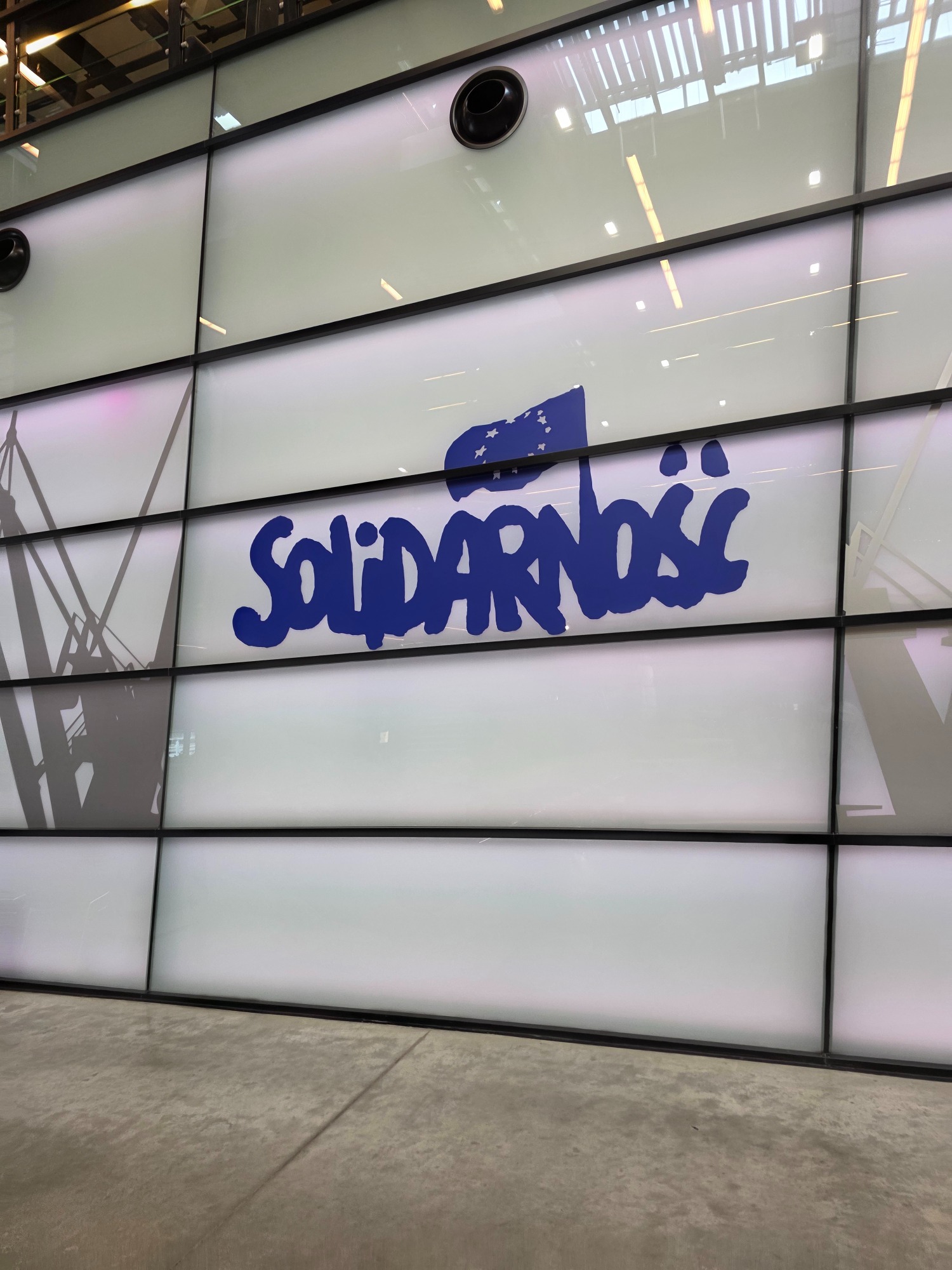
Gdansk also plays and important part in modern Polish history, as the birth place of Solidarność (Solidarity) movement, the first self-governing Trade Union in communist Poland, eventually entering into an agreement with the communist government in 1989, which led to the first free, multi-party elections in Poland since 1947, and saw the creation of a Solidarity led coalition government, and Solidarity’s leader, Lech Wałęsa, becoming the first post-communist president of Poland. All of these elements ensure that there is no shortage of things to see and do in Gdansk!
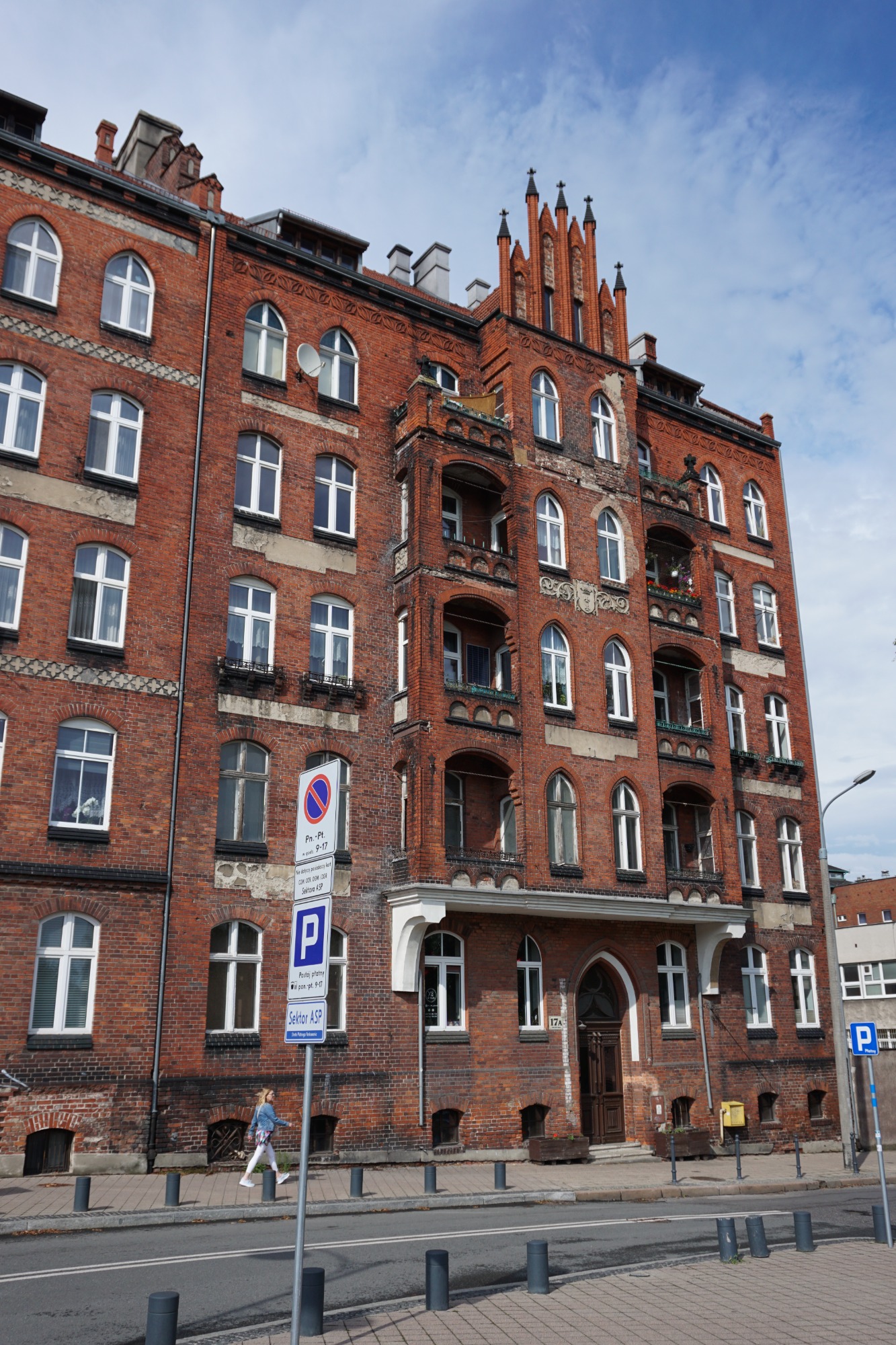
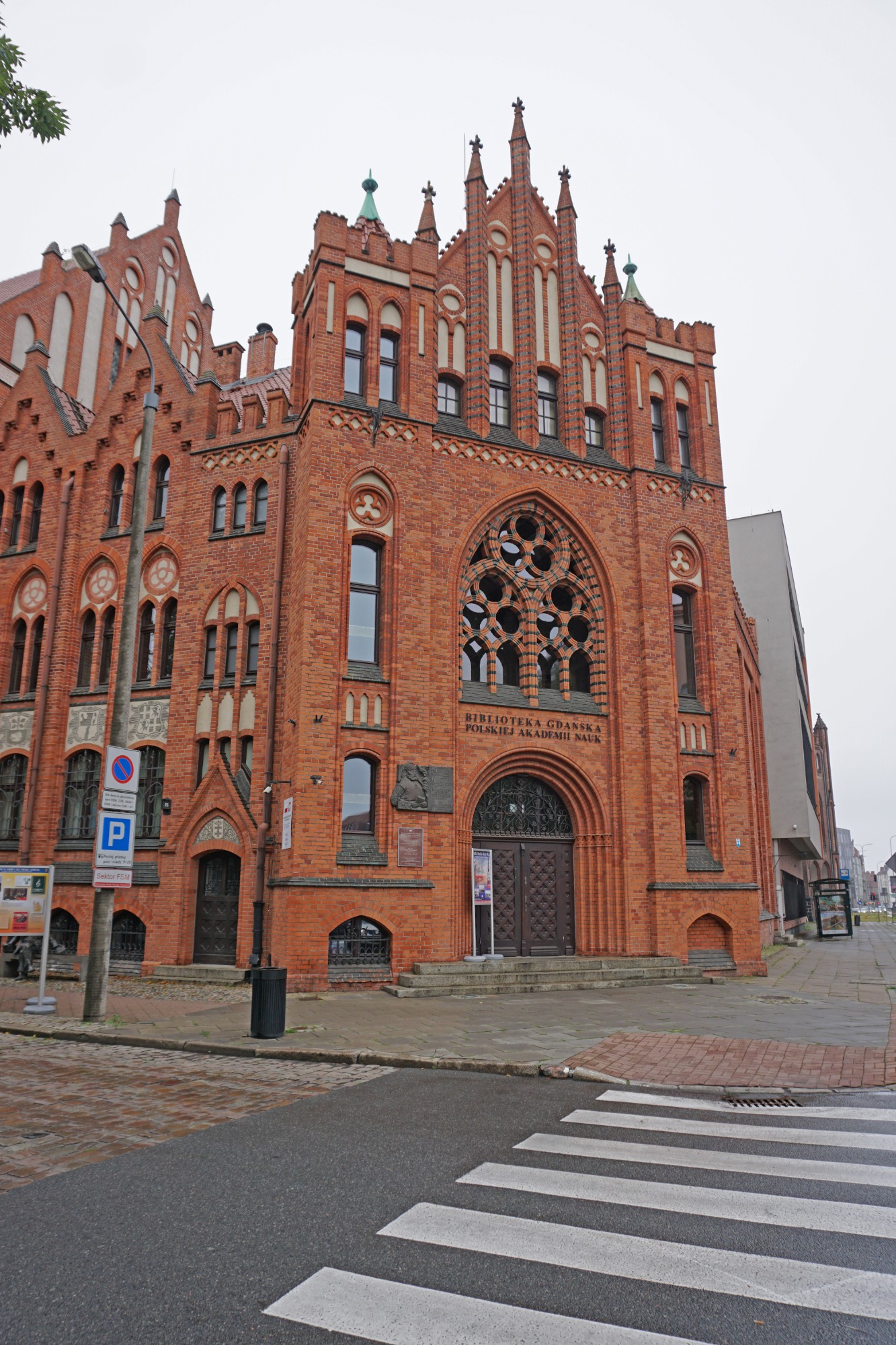
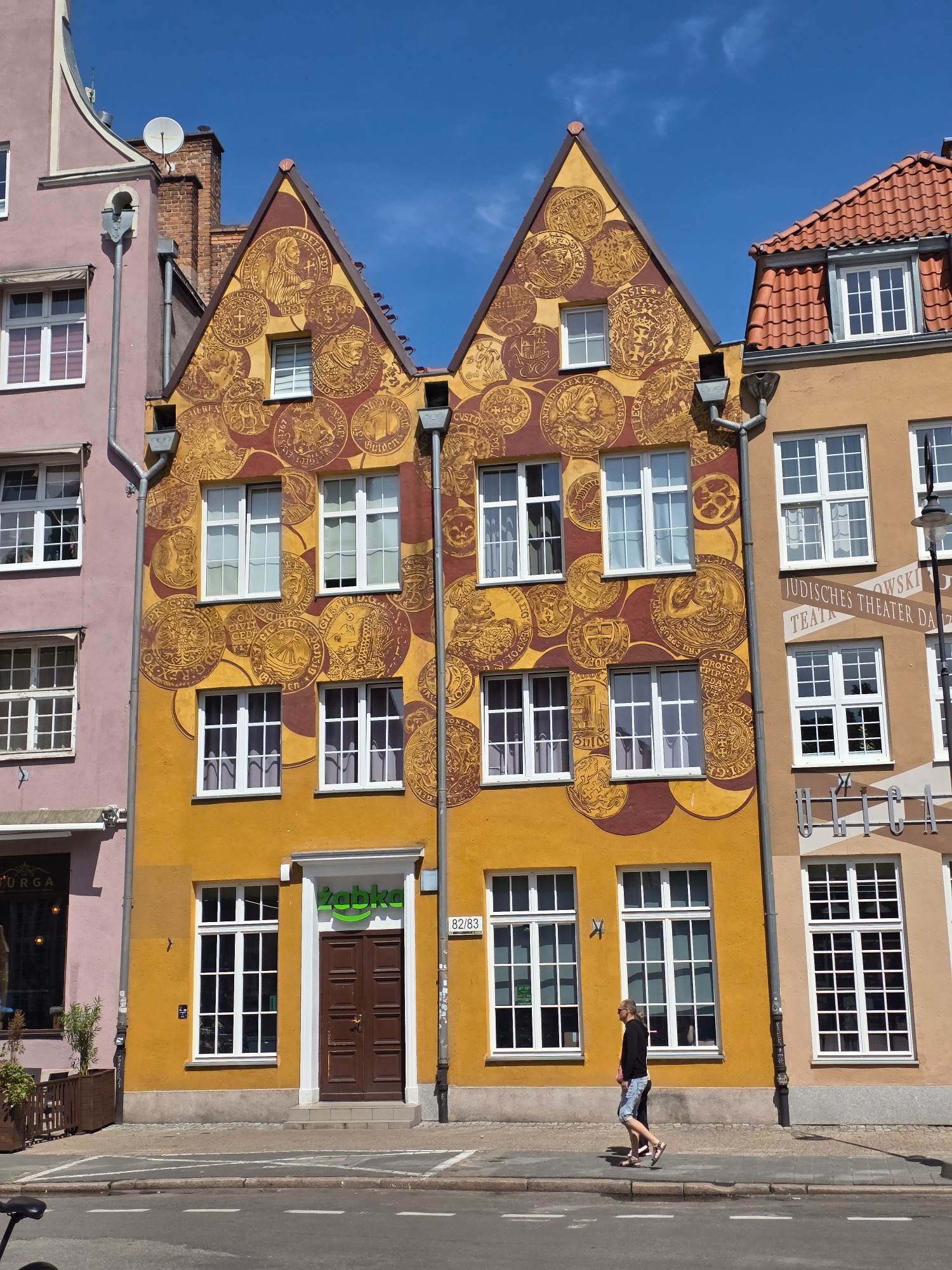
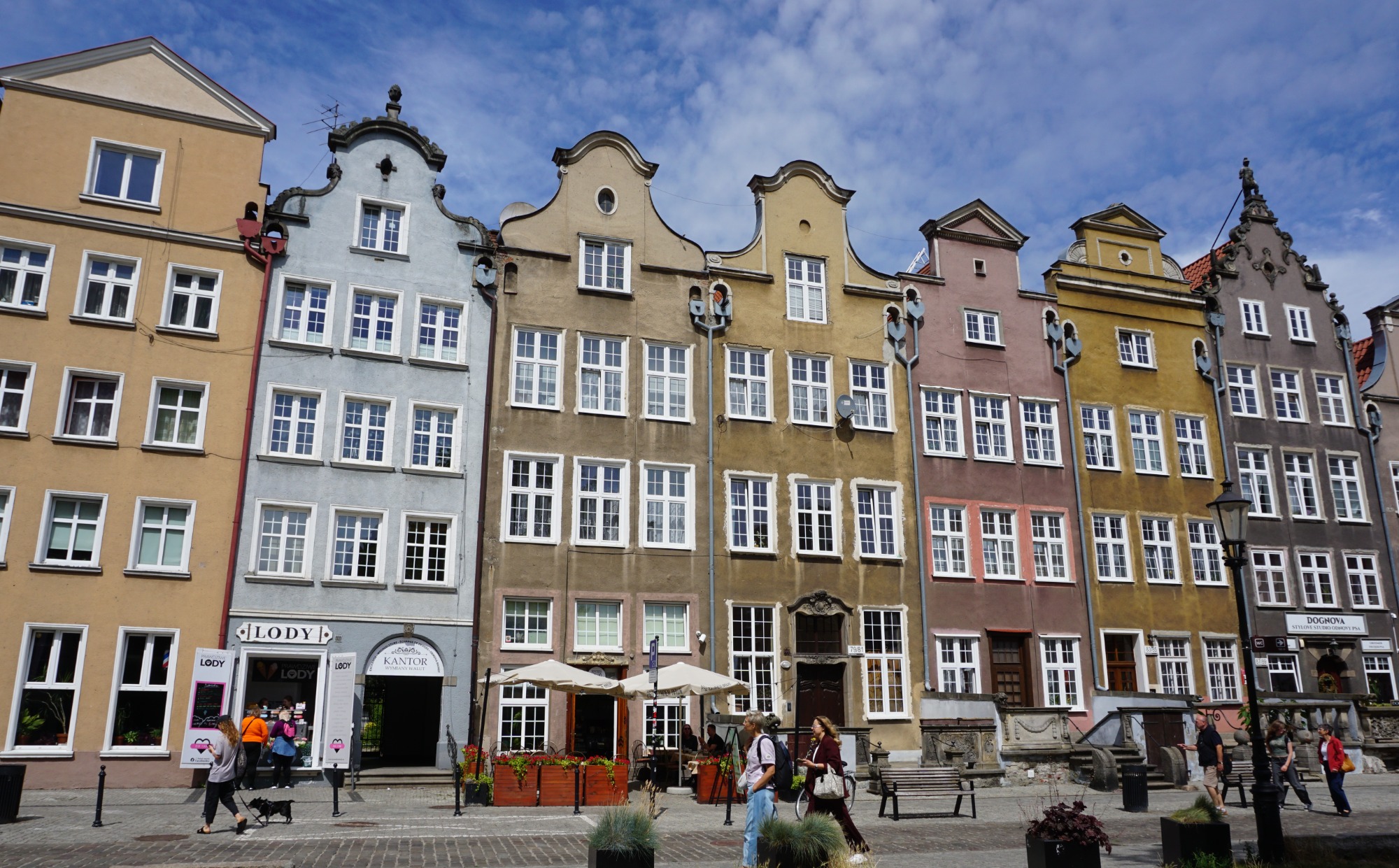
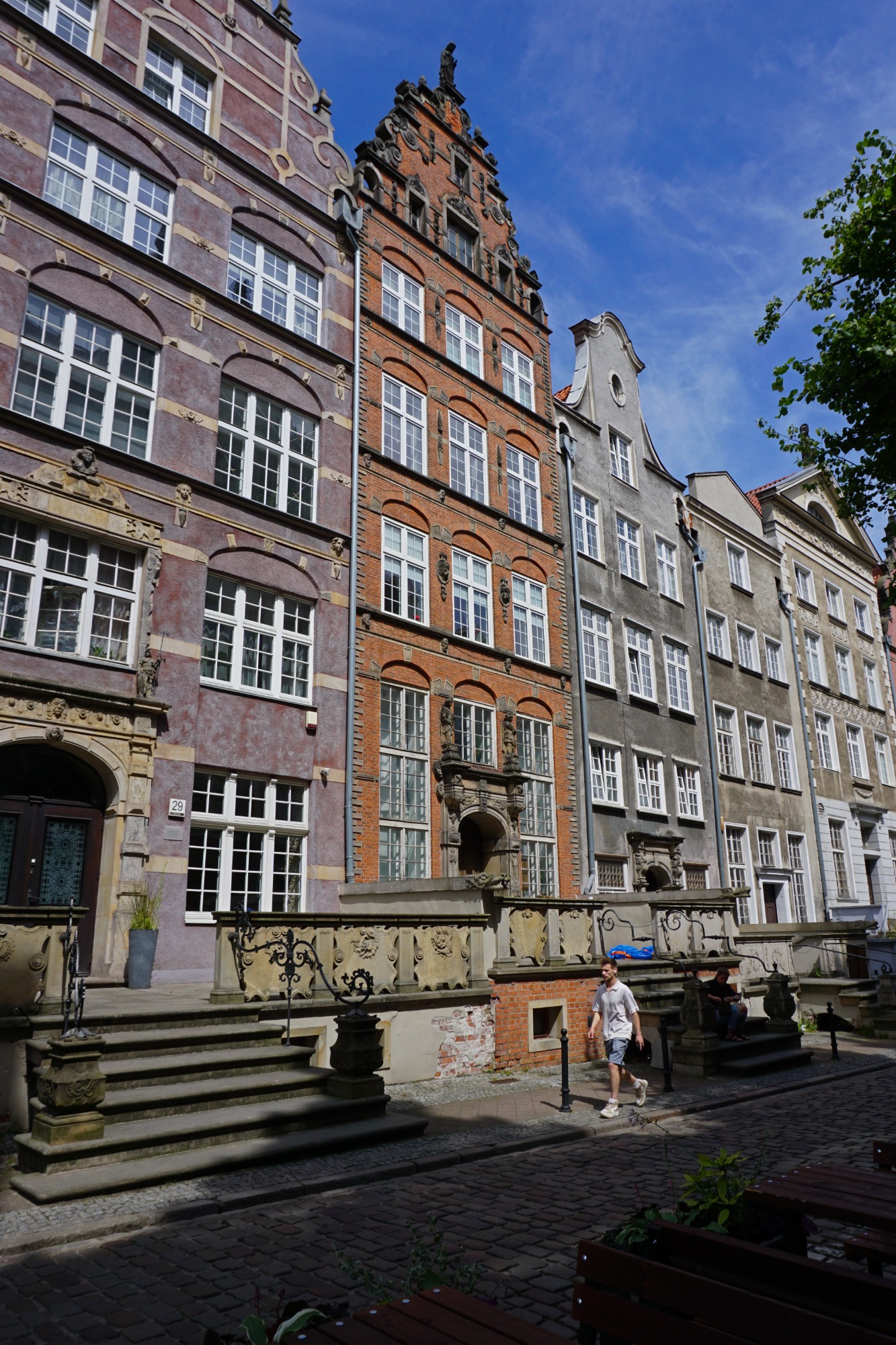
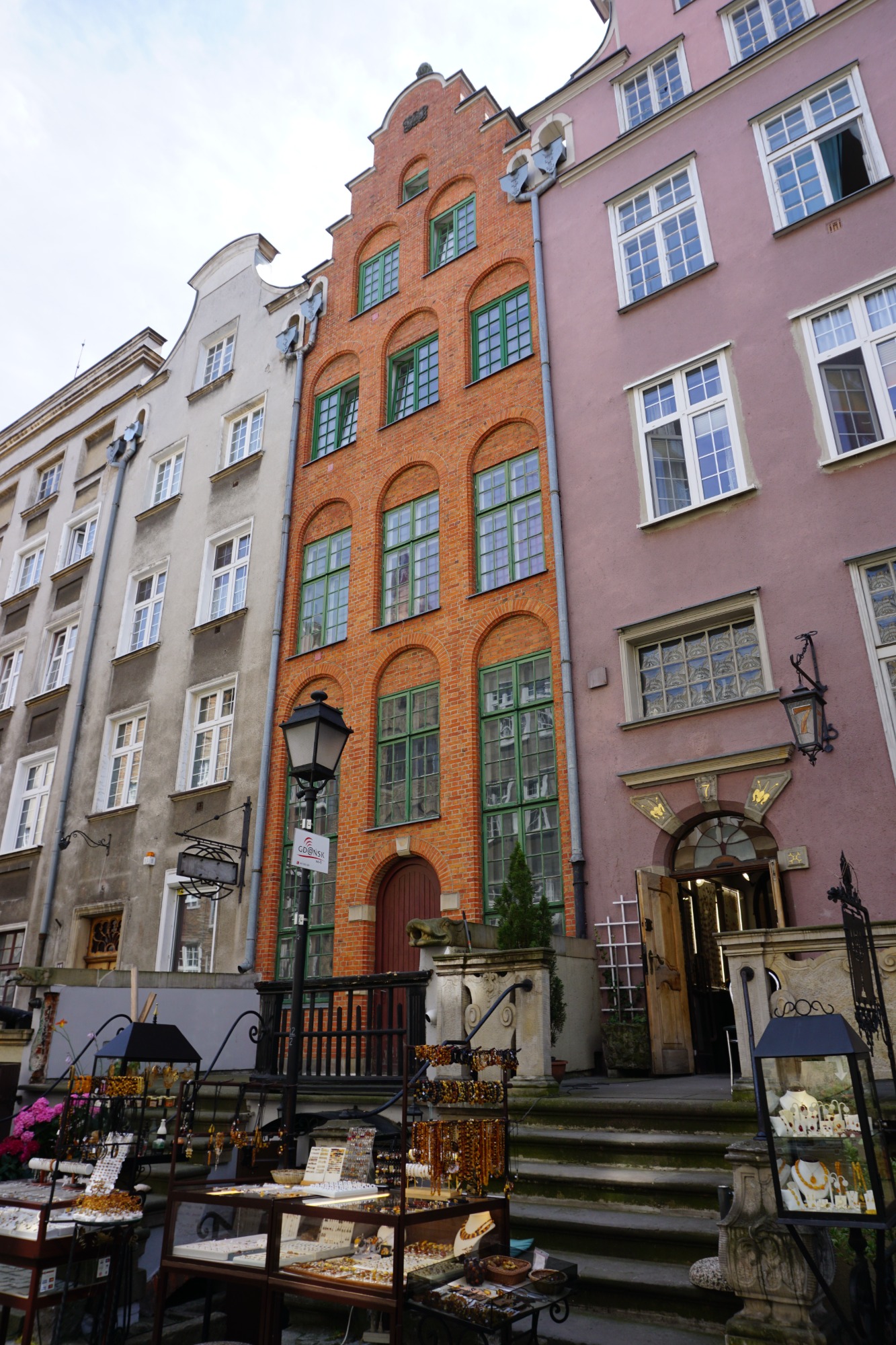
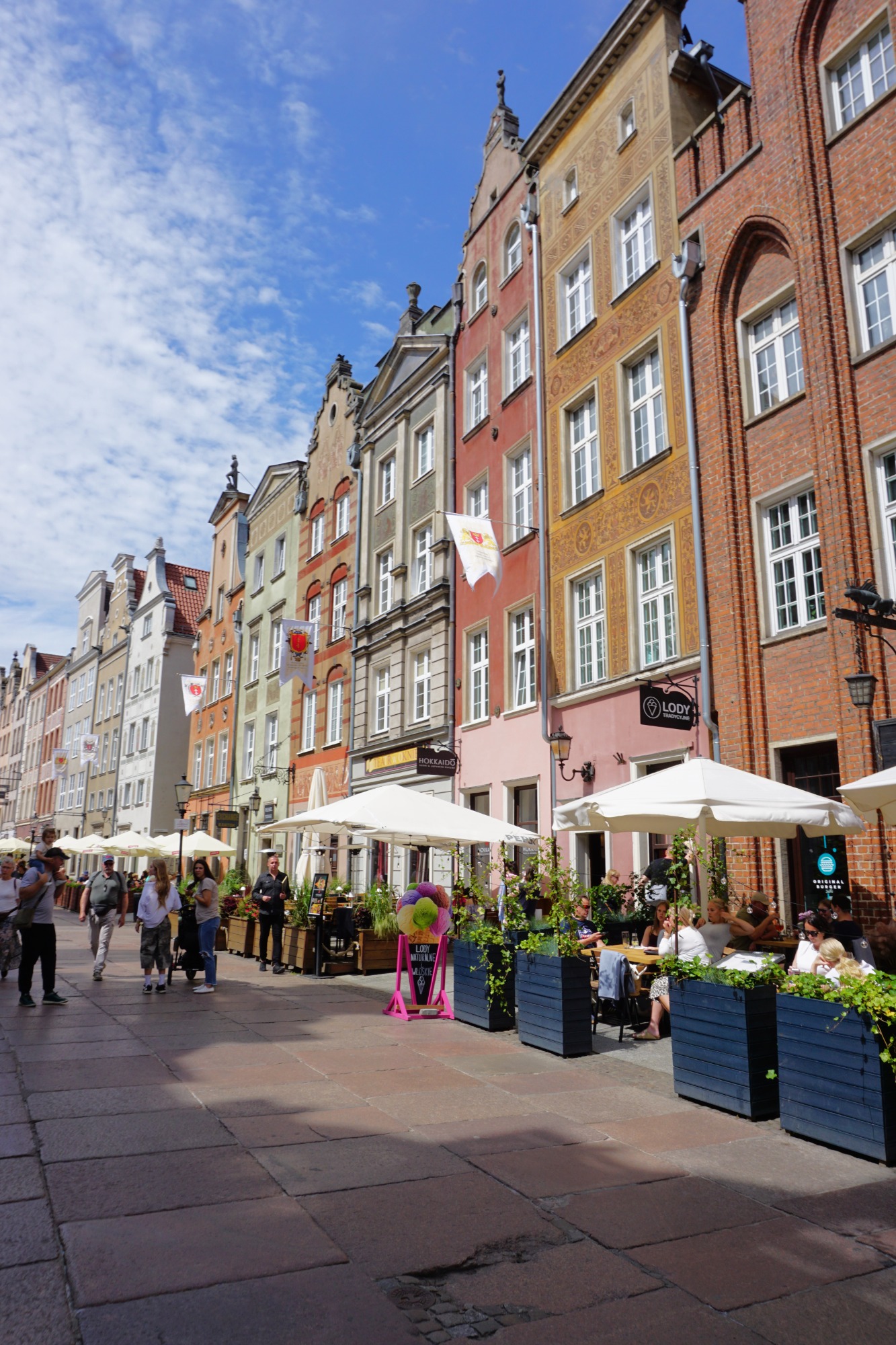
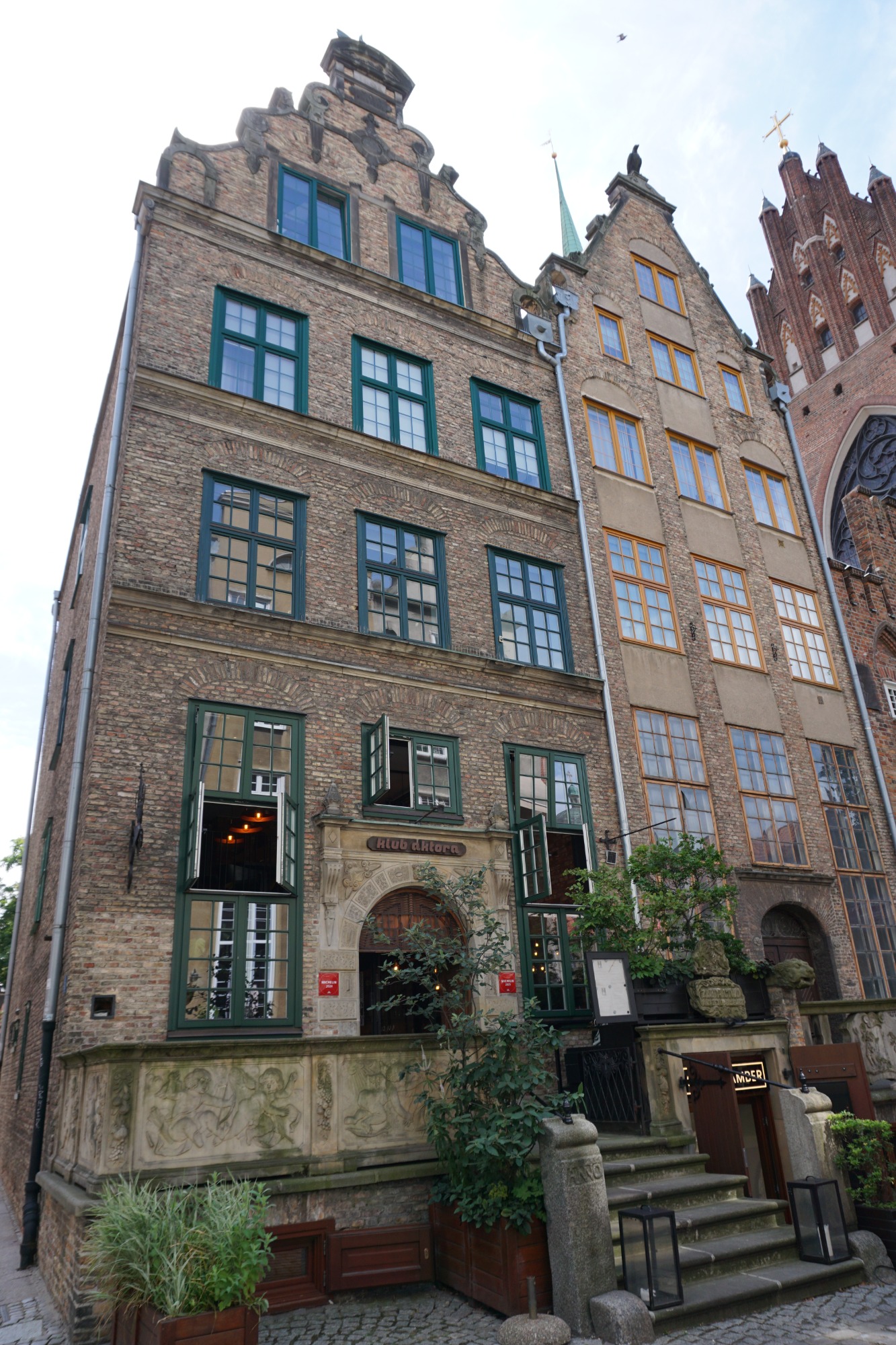
One of the things that struck me most when arriving in Central Gdansk, is that at first glance, the old town and its architecture look very Dutch. If I didn’t know better, I would have sworn I was somewhere in the Netherlands or Belgium!
Despite being on the usually aptly named “Baltic” (In Scottish this means cold/freezing) coast, in the summer months, Poland has long warm days, ranging from 20-30c, and up to 36c during heatwaves, making it ideal shorts and t-shirt weather, although it does start to cool down from mid-September. Being on the cost means that it does benefit from a good breeze, meaning that the heat doesn’t get too stifling and remains generally very pleasant.
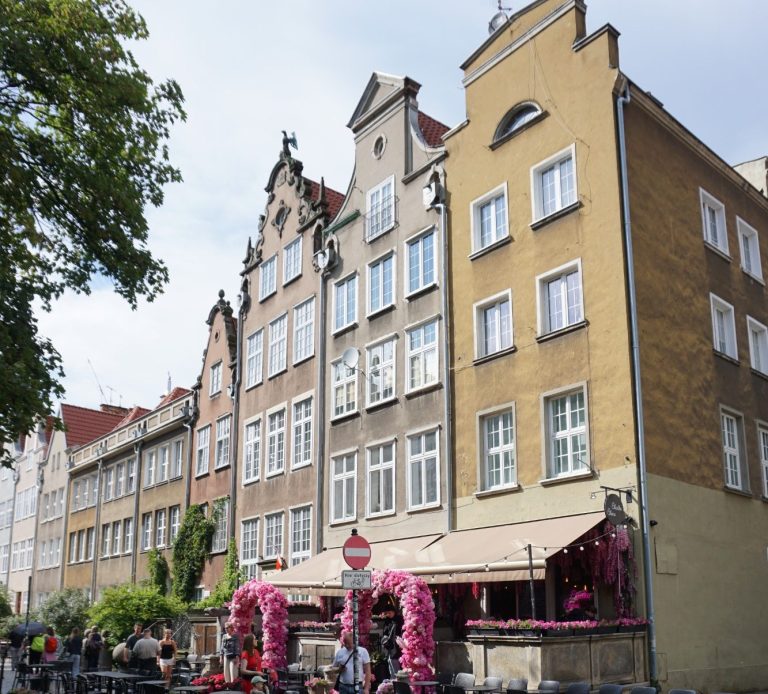
For accommodation, I opted for CityRooms Świętego Ducha Gdańsk, in the heart of the old town. Modest, but clean and comfortable accommodation, consisting of a private room in an apartment, rented out as individual rentals with a shared bathroom and kitchen. Location wise, this was perfect for me, as aside from sleeping, I didn’t plan to spend much time there.
It was in the heart of the old town, and a 2 min walk to the Old Port Crane and a Żabka (Convenience Store), and a 5 min walk toa Biedronka (Supermarket). Being in the heart of the old town, there is an abundance of restaurants, bars and coffee shops all around which cater to every conceivable taste.
Gdansk is a very walkable city for exploring, but Lime eScooters and an excellent tram network are available if you wish to navigate this way (I used a few eScooters to get to some of the further out sights in the latter stages of my trip).
Using my Plan It For Me sightseeing maps (Which identified more than 135 points of interest in Gdansk, covering landmarks, historical sights, architecture, cultural sights and street art to name but a few), I set out on my first afternoon of exploring. I had looked up the various sights that were of interest to me ahead of leaving for my trip, so I divided these among areas of the city and the number of days of my trip, to make sure I covered everything I wanted to see, along with a fair few secondary and tertiary sights along the way.
While I speak some Polish (and I use this term lightly – Enough to be polite and find/order what I am looking for), I took my language cheat-sheet with me, as it never hurts to have a few extra phrases to hand in case you need them (although most Polish people I have encountered probably speak better English than I do, even if it is my first language). It never hurts to be polite and will get you a warmer welcome, and even help you meet some people along the way!
Depending on the duration of your stay, I recommend splitting your sightseeing into different areas, taking a day to explore each area, as this city has things to see and do in every direction!
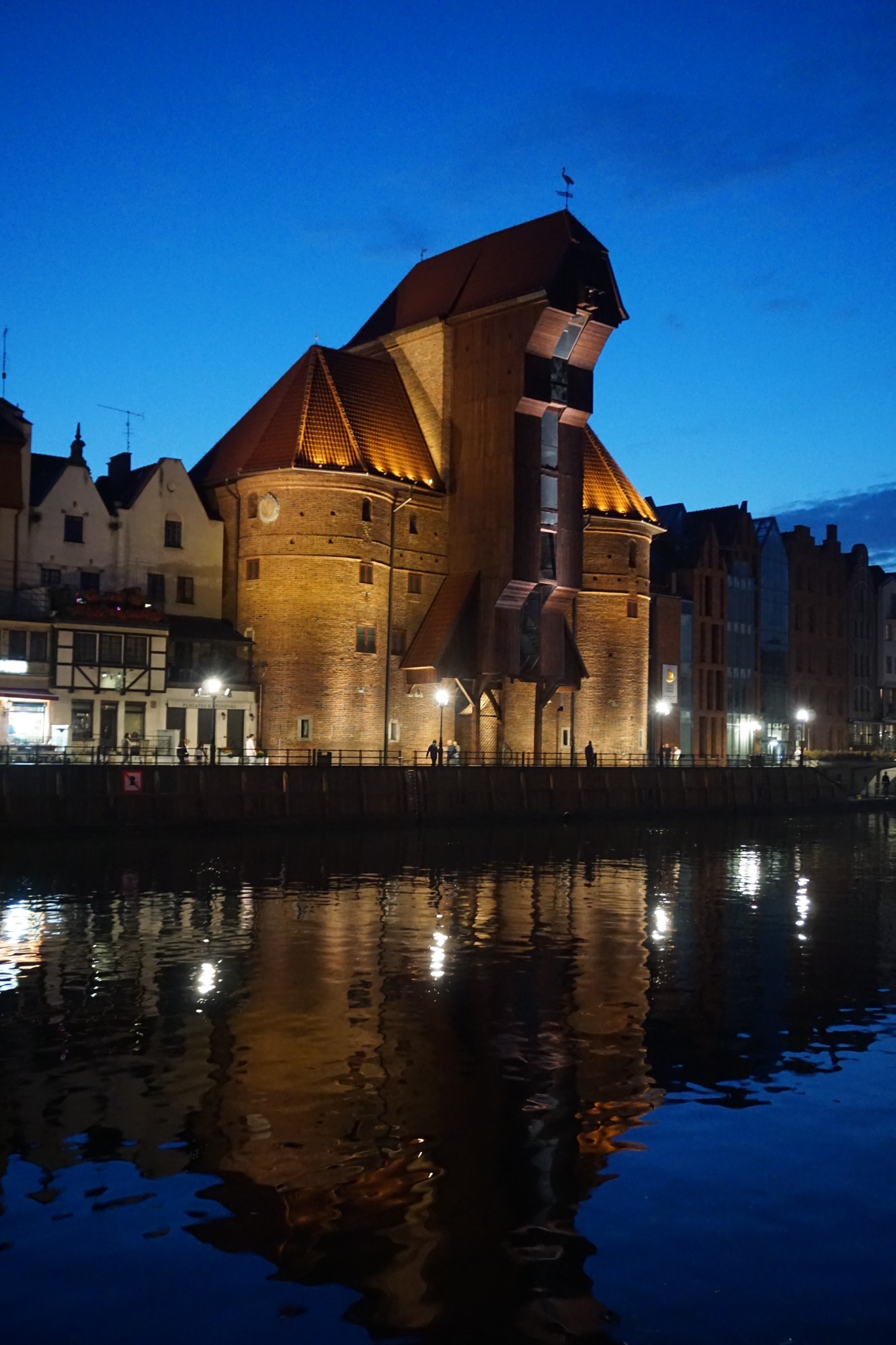
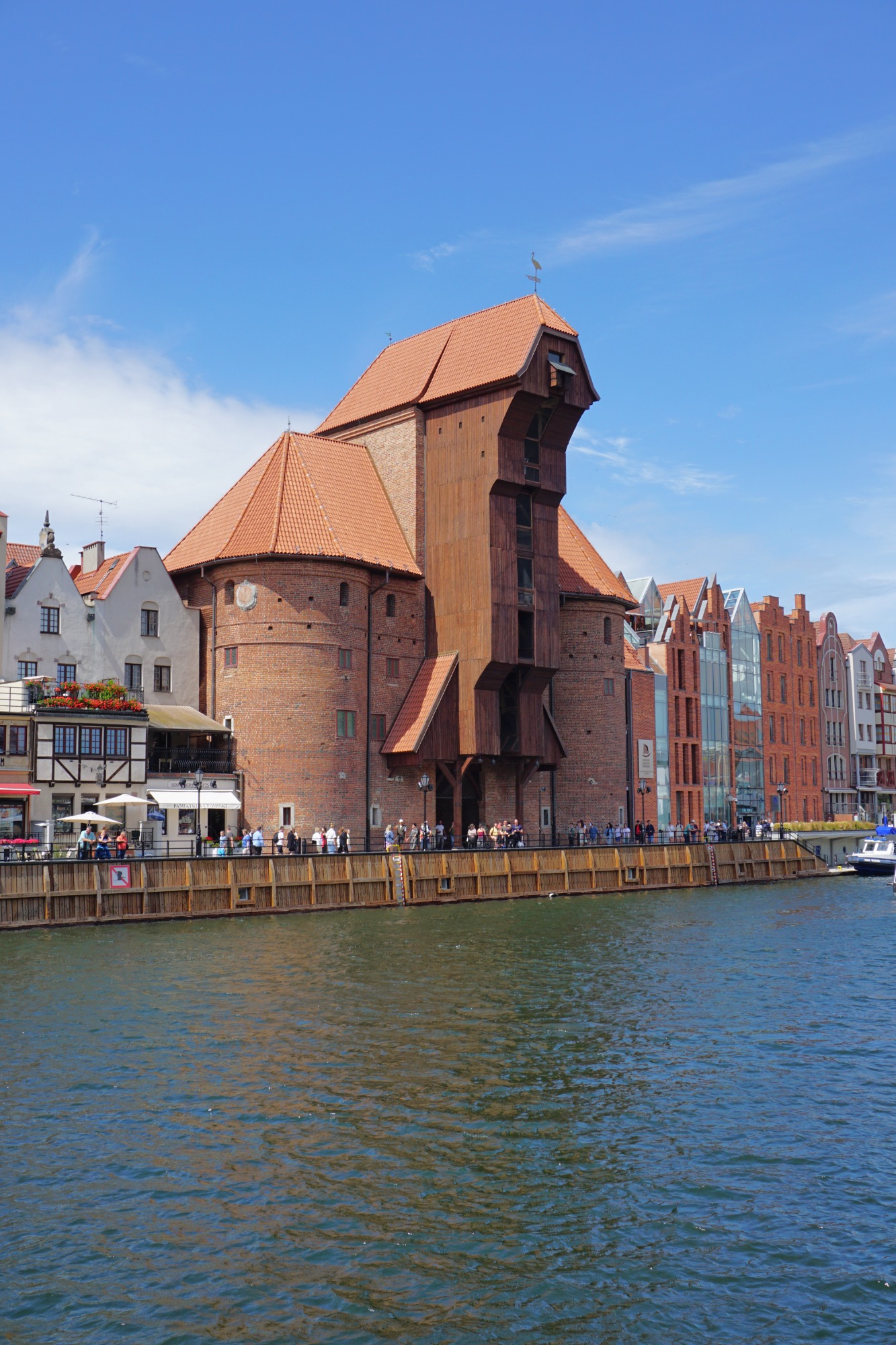
As is always the case, I was keen to get out and start exploring as quickly as possible, so I dumped my stuff in my room and headed straight out. I started off walking down to the Old Port Crane on the Nova Motława river. I recommend crossing the Grzegorz Footbridge over to Wyspa Spichrzów (Granary Island) for a better, panoramic view, before heading back across the footbridge to walk down the length of Granary Island to take in the sights (I would visit and explore the Island itself later in the trip).
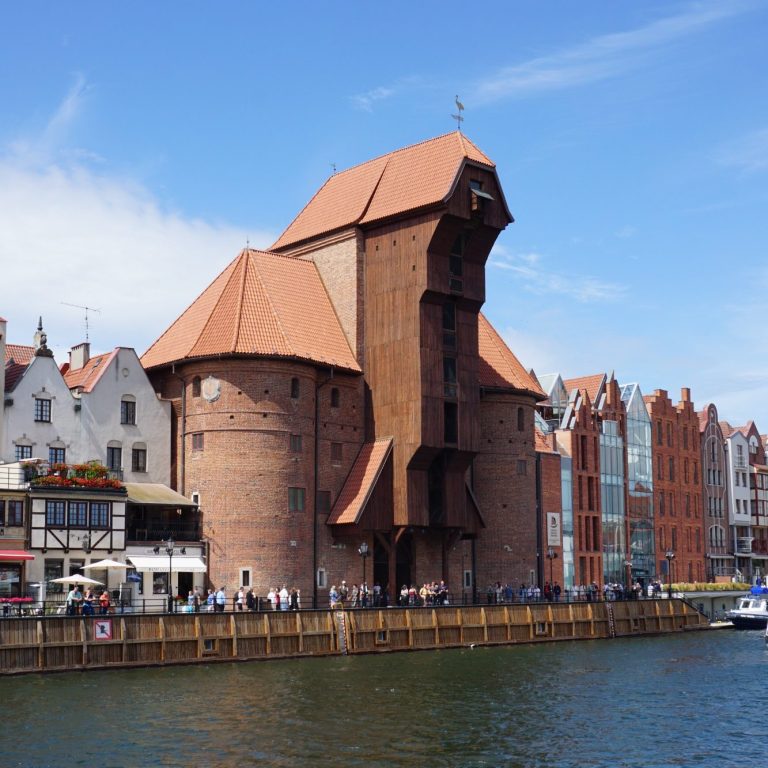
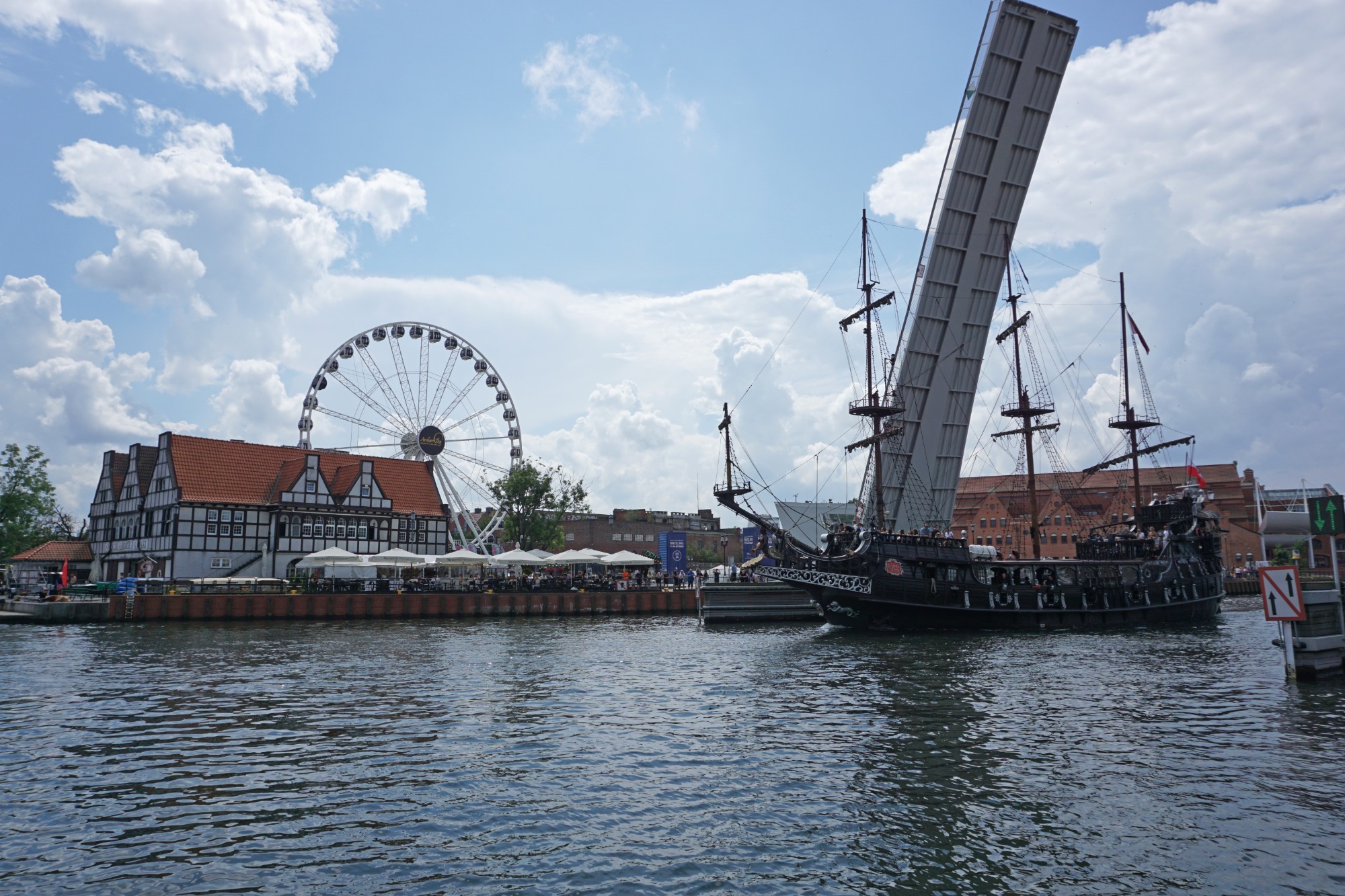
Old Port Crane, Gdansk
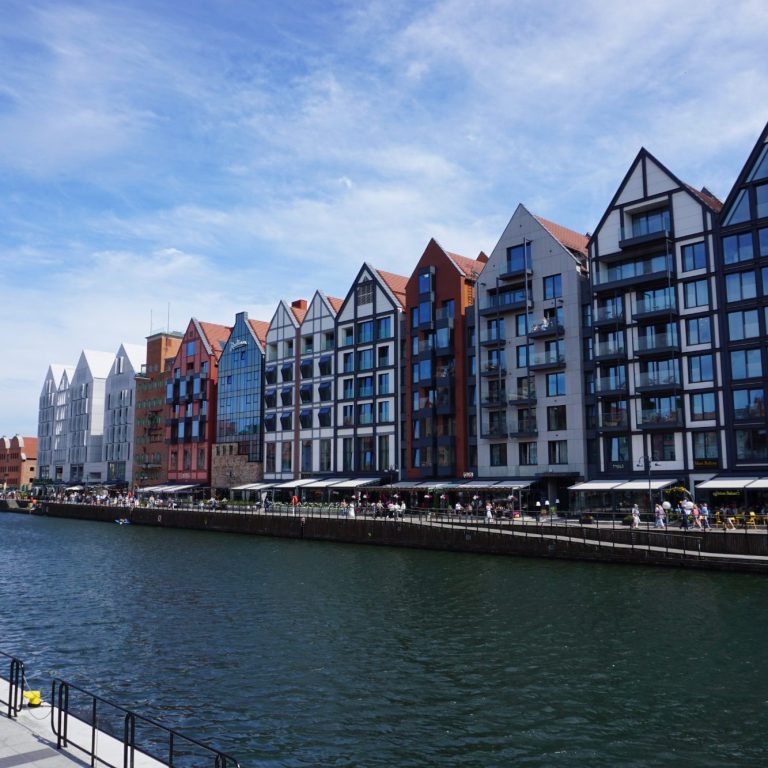
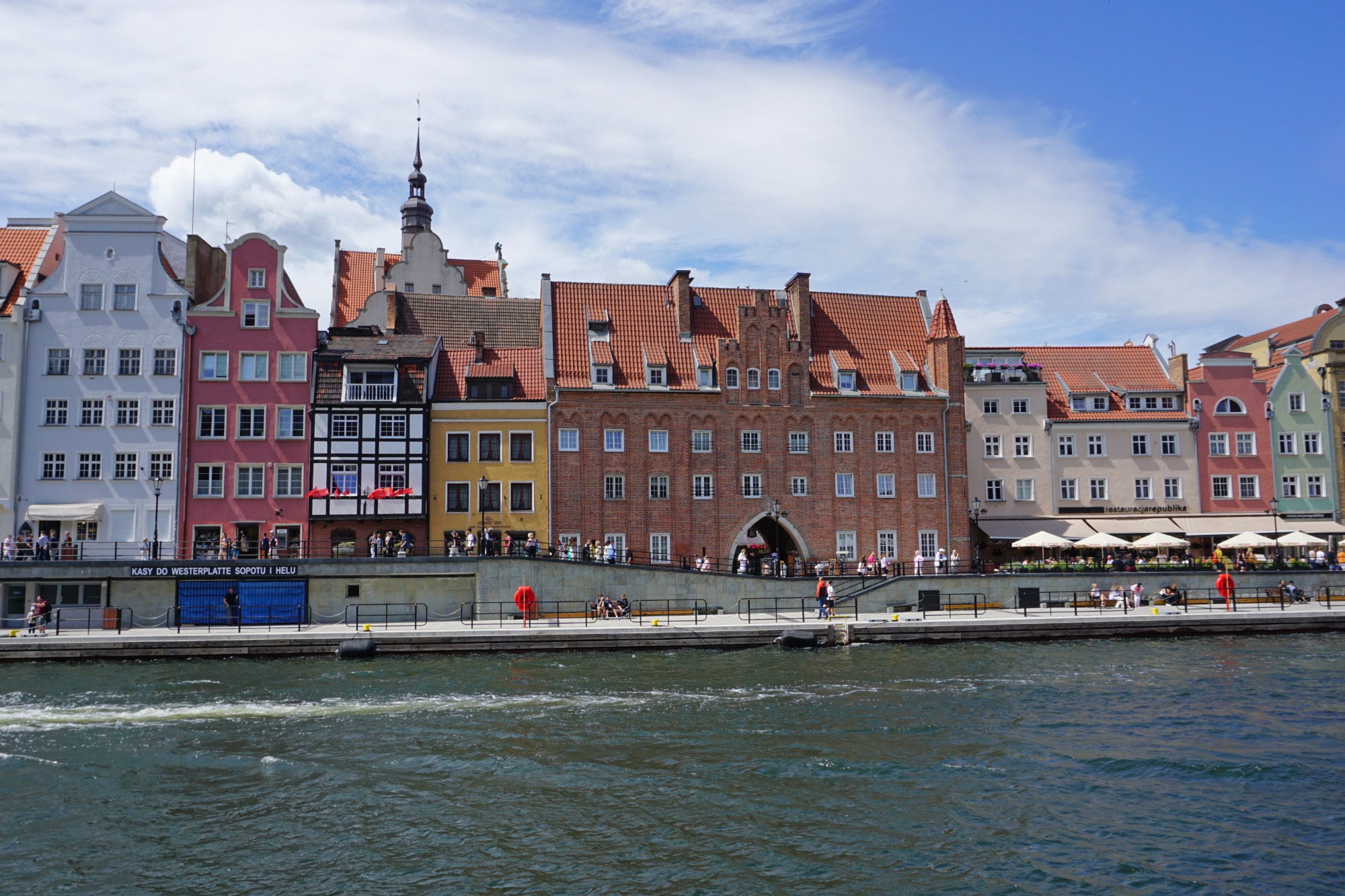
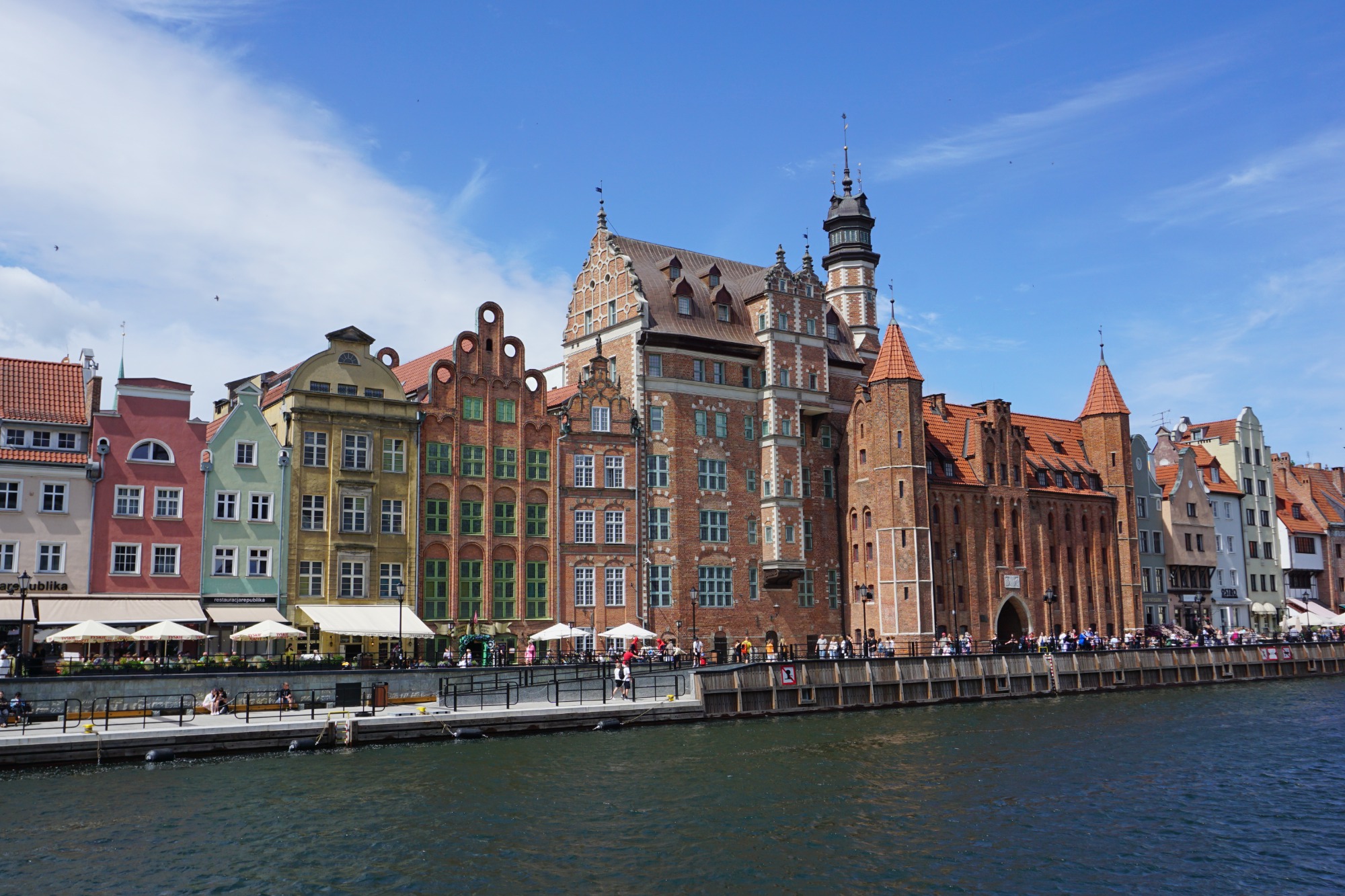
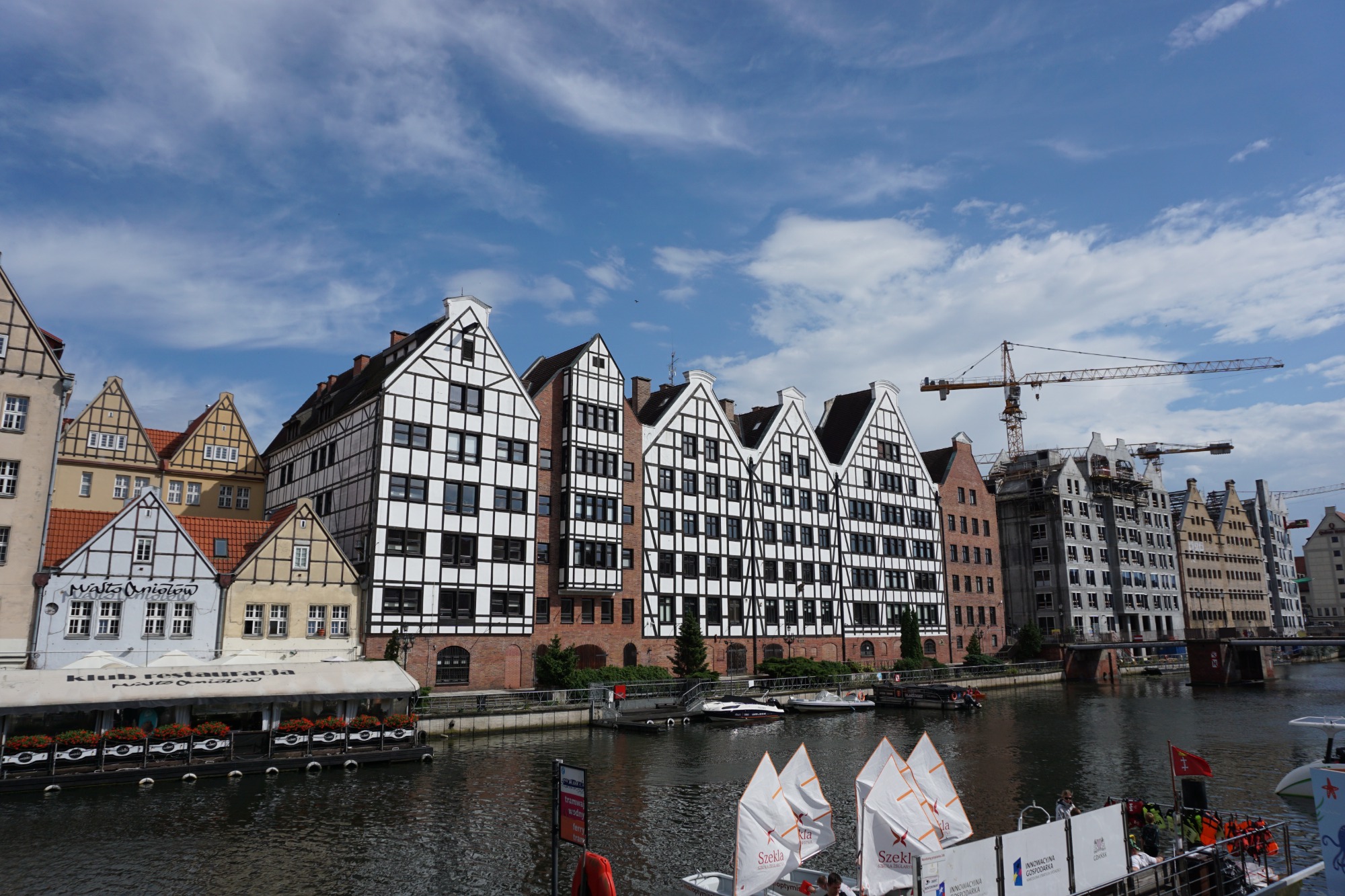
Długie Pobrzeże (The Long Waterfront & Granary Island (Wyspa Spichrzów), Gdansk
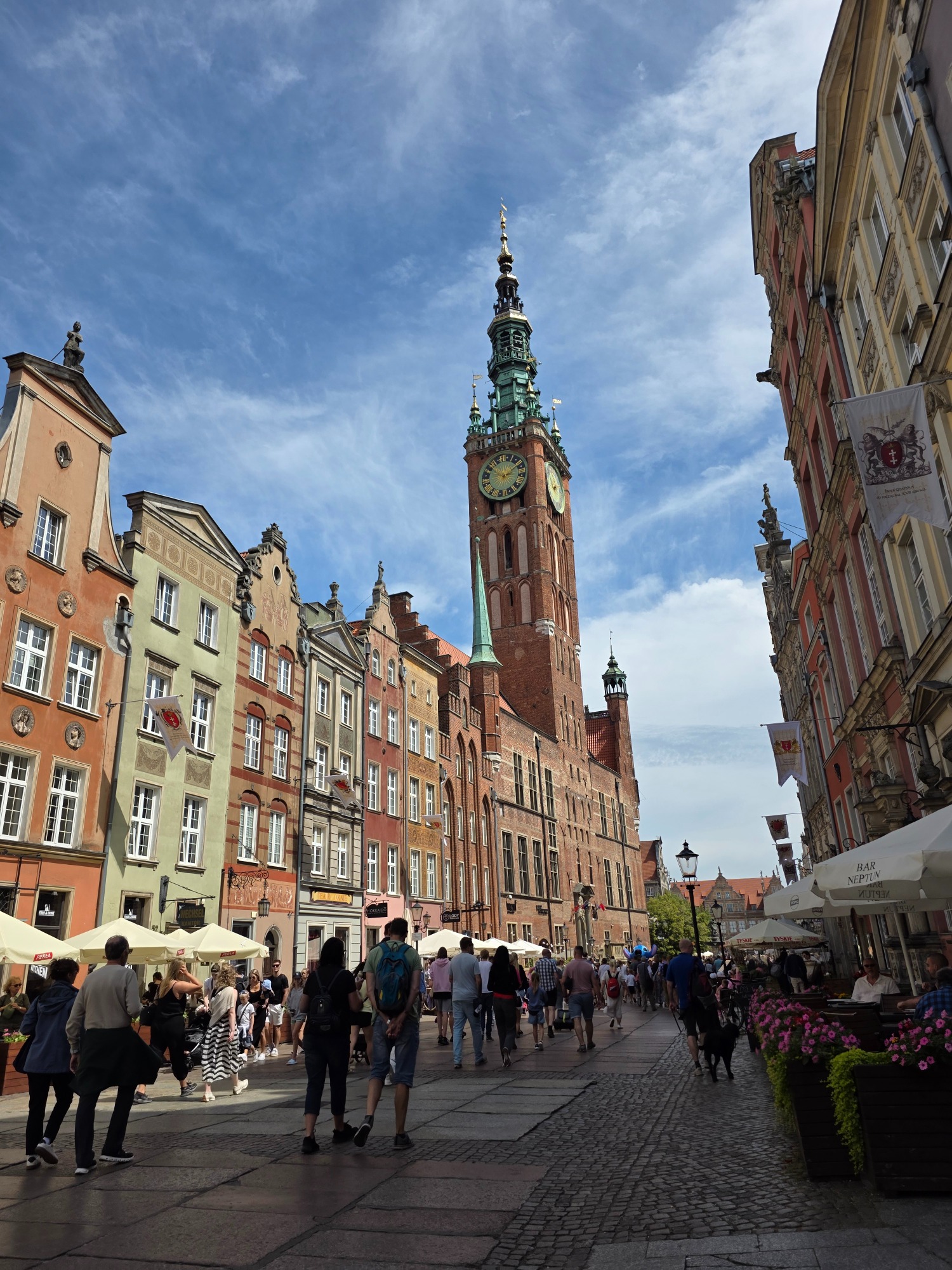
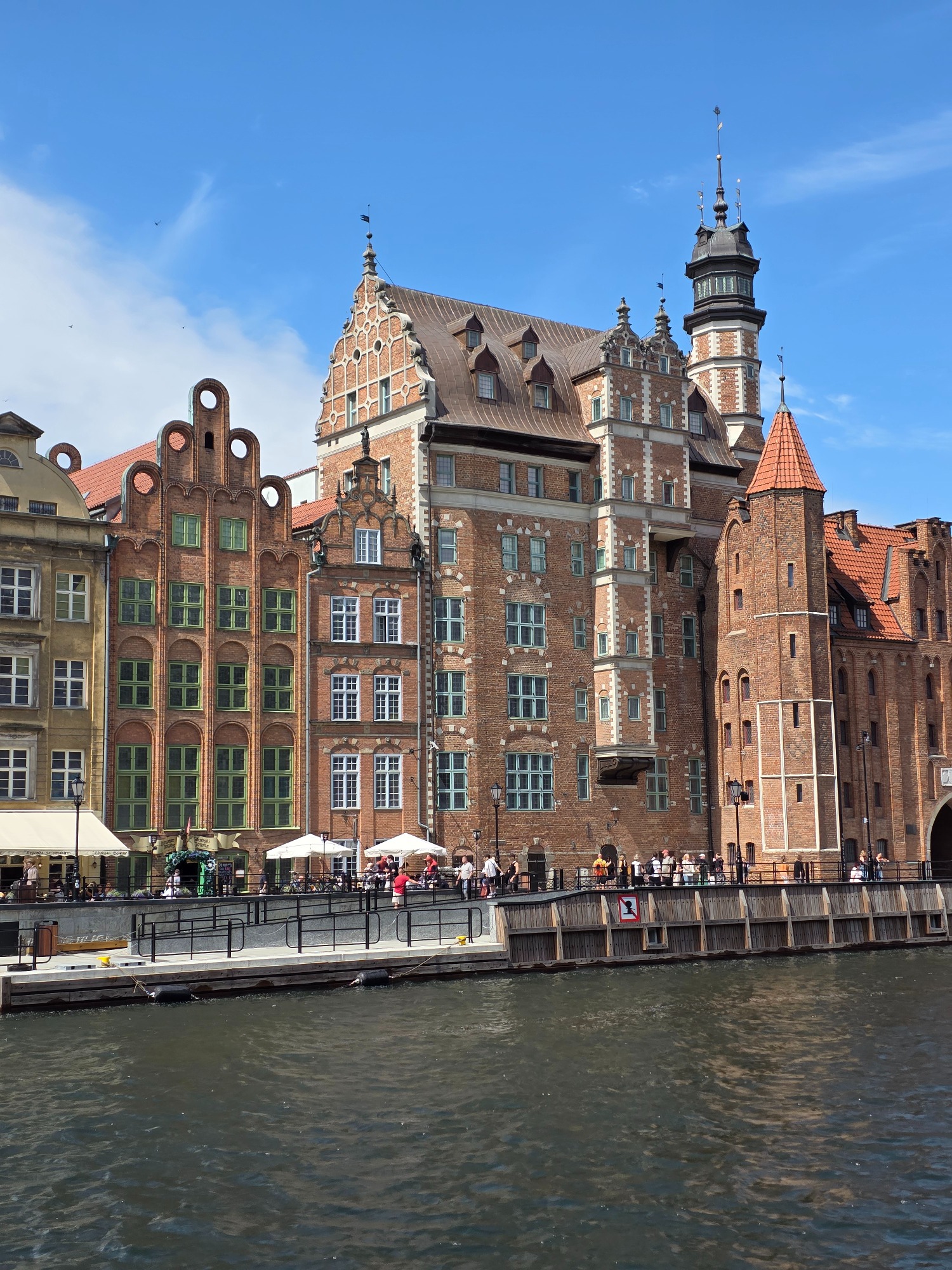
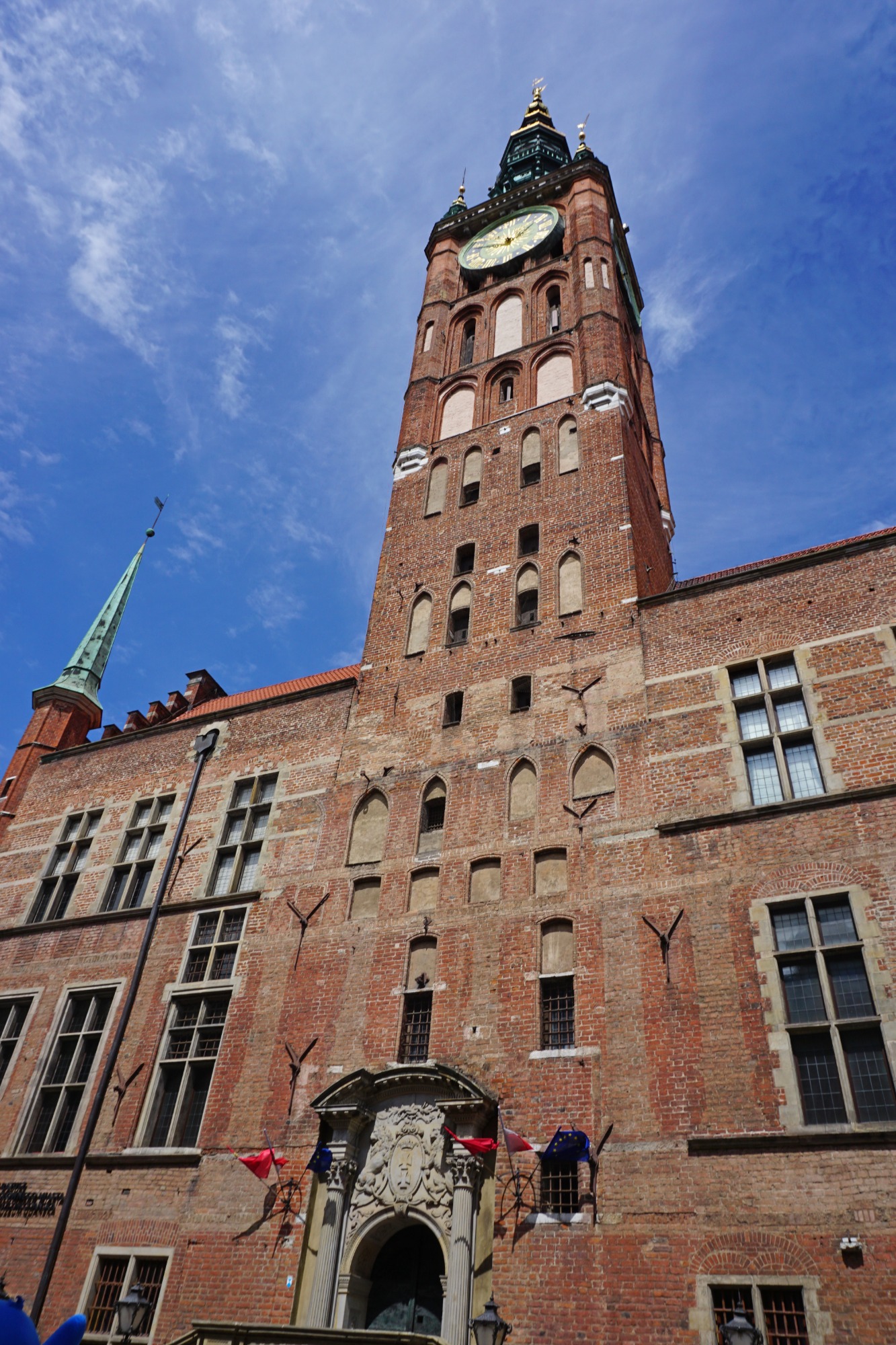
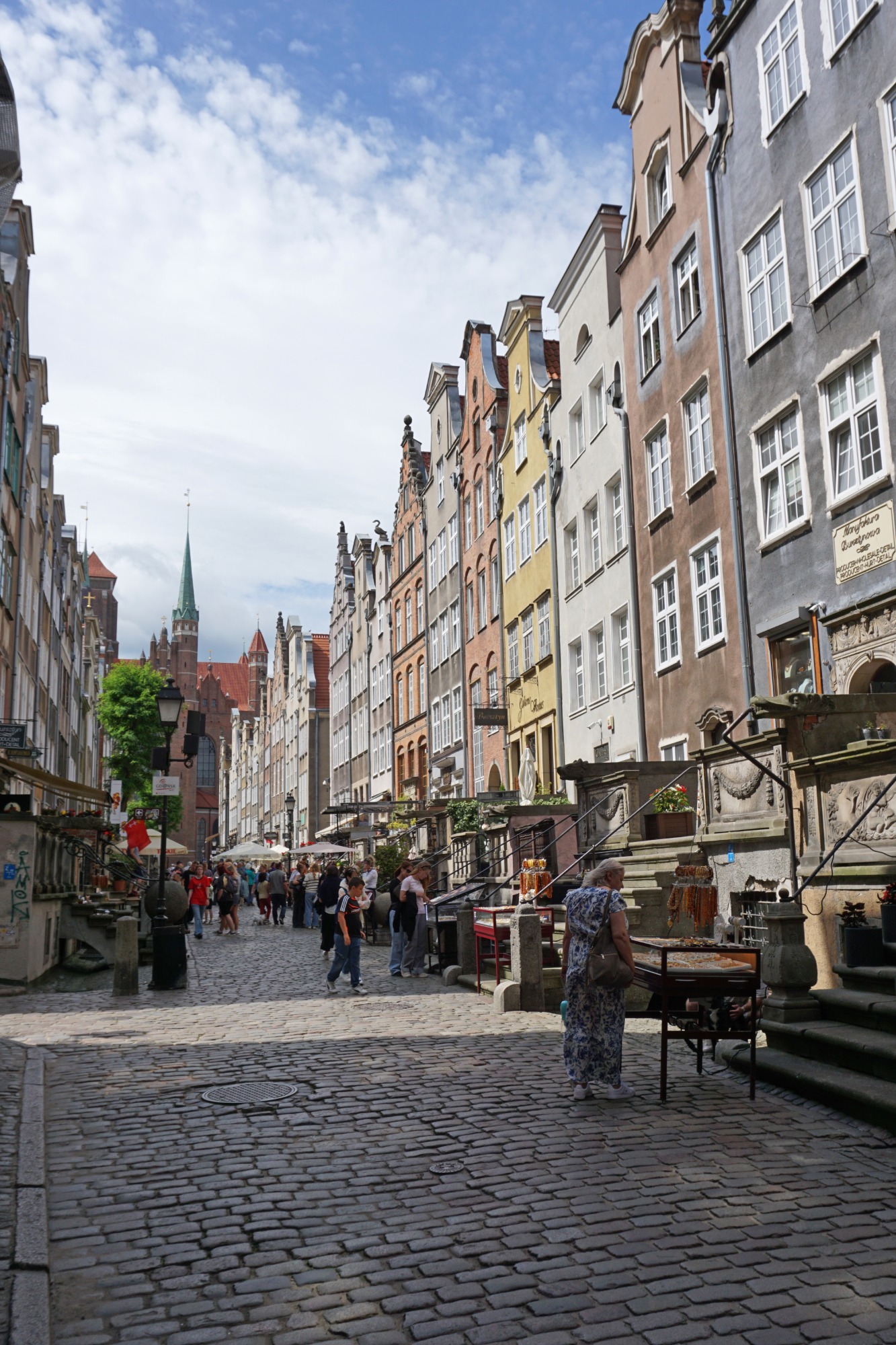
Walking along Długie Pobrzeże (the Long waterfront), taking in the architectural sights of Granary Island, St. Mary’s Gate (Brama Mariacka), The Gdansk Archaeological Museum and the Green Gate (Zielona Brama). Again, I recommend walking half-way over Zielony bridge (Most Zielony) for a good photo, then walking into the Long Market (Długi Targ). The Long Market is one of the main arteries of the old town, steeped in history and a central meeting point for locals and travellers alike.
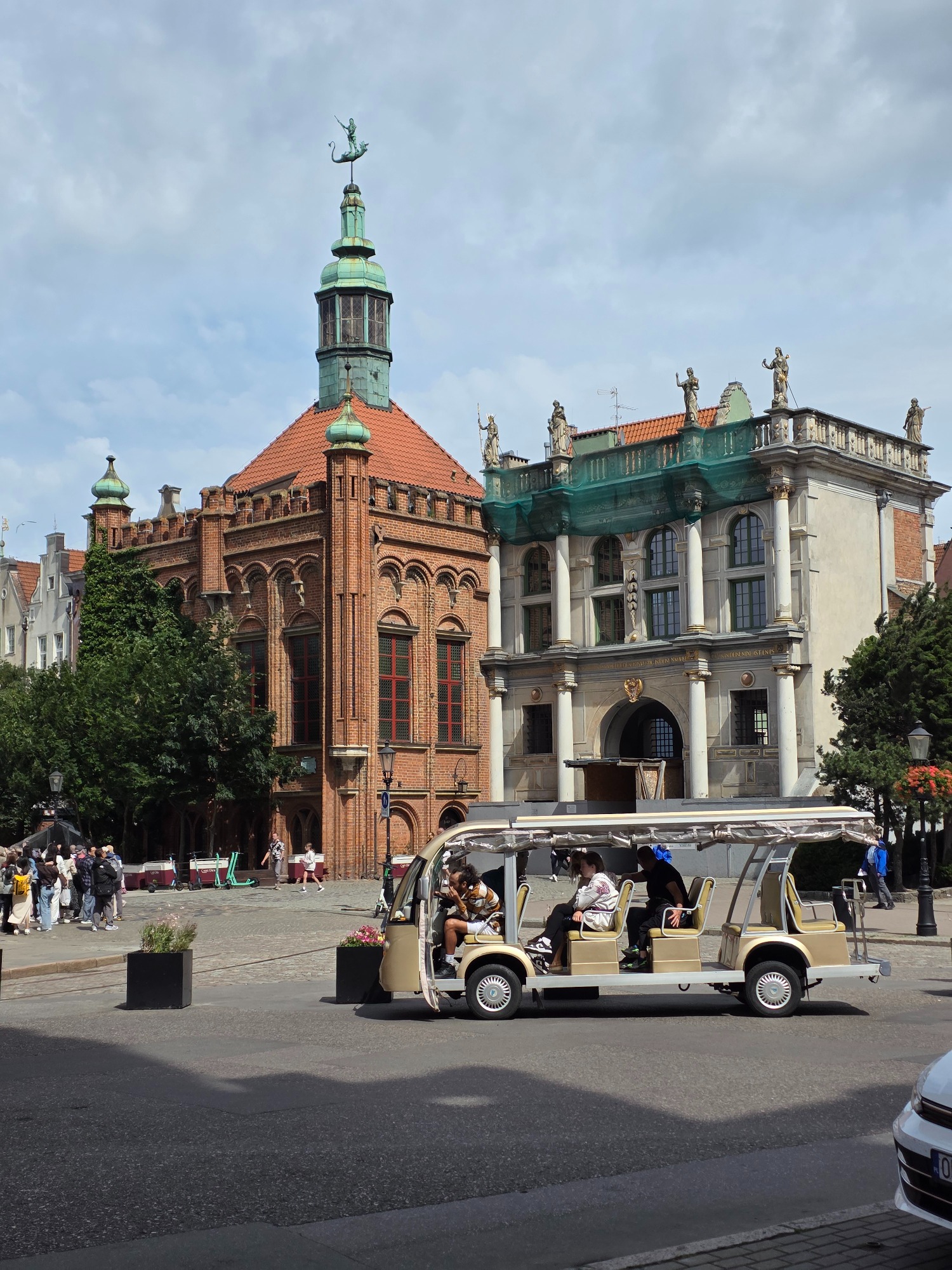
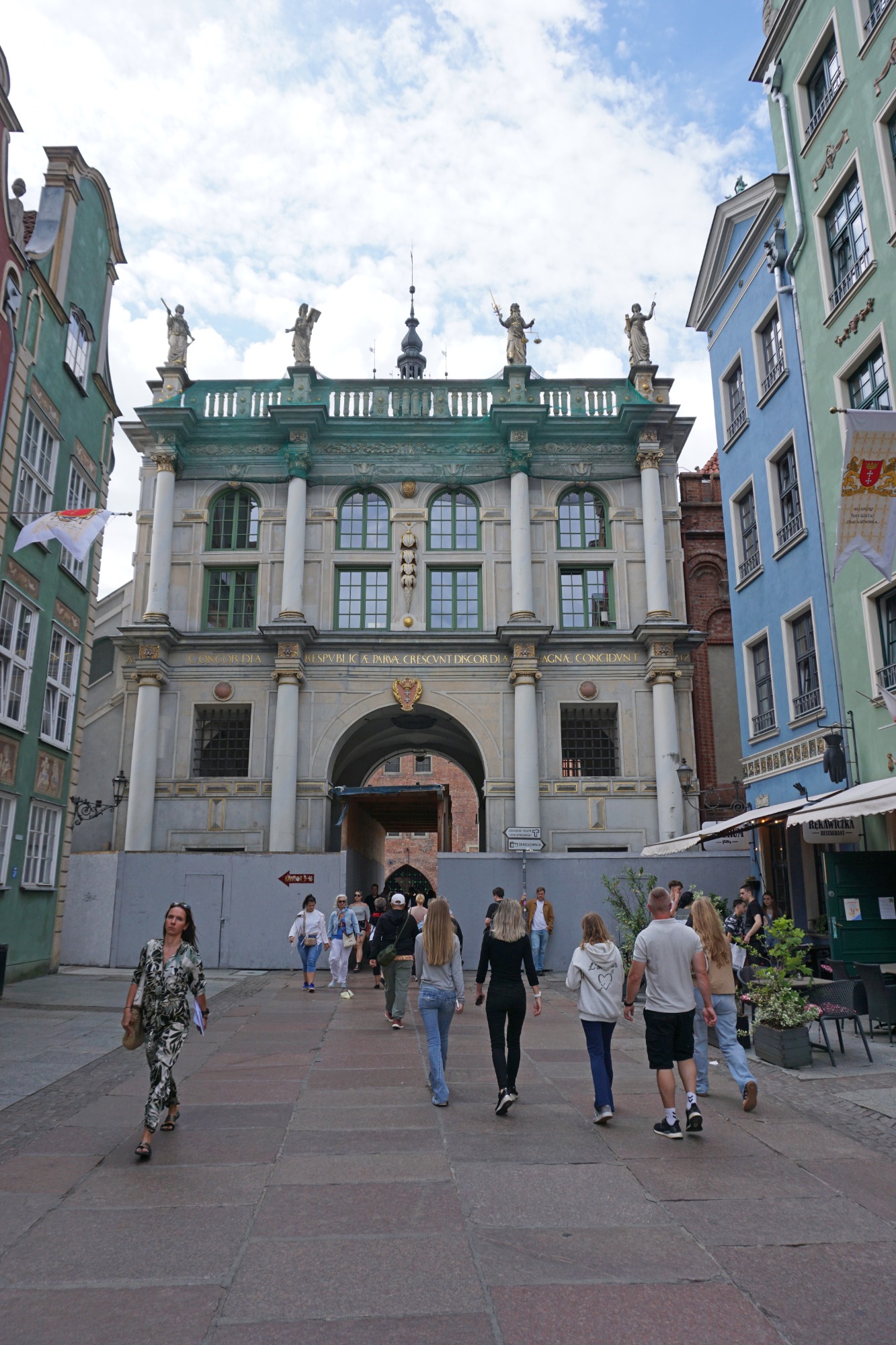
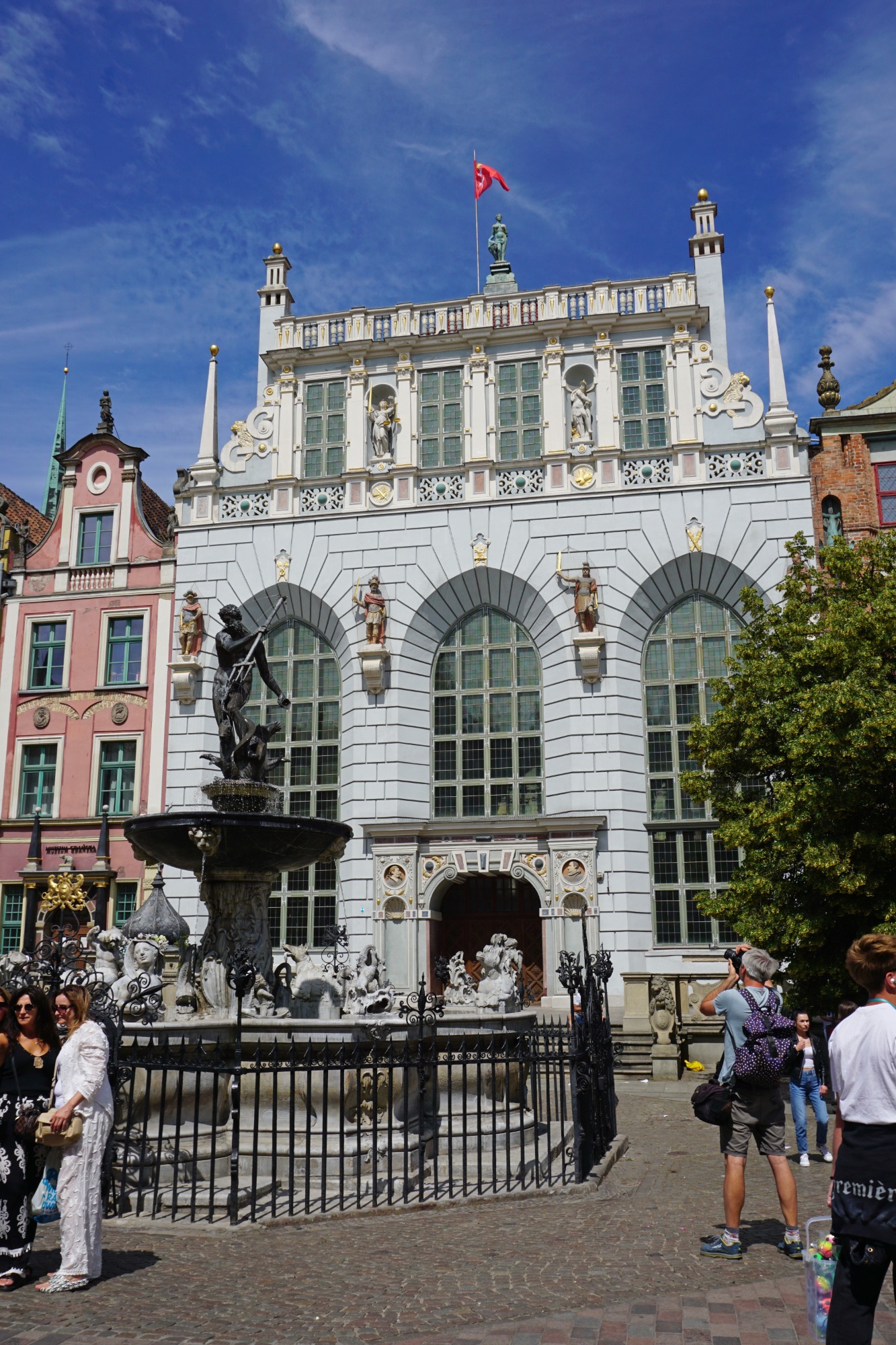
If you like photography, you could spend hours in the Long Market alone, taking in sights, as well as a wide array of shops and restaurants. From here I recommend heading north one block to Gdansk Cathedral, which is well worth a visit. Once I was finished with the Cathedral (both inside and out), I headed along Pinwa Street to the Great Armoury (Wielka Zbrojownia), and then down to and through the Golden Gate.
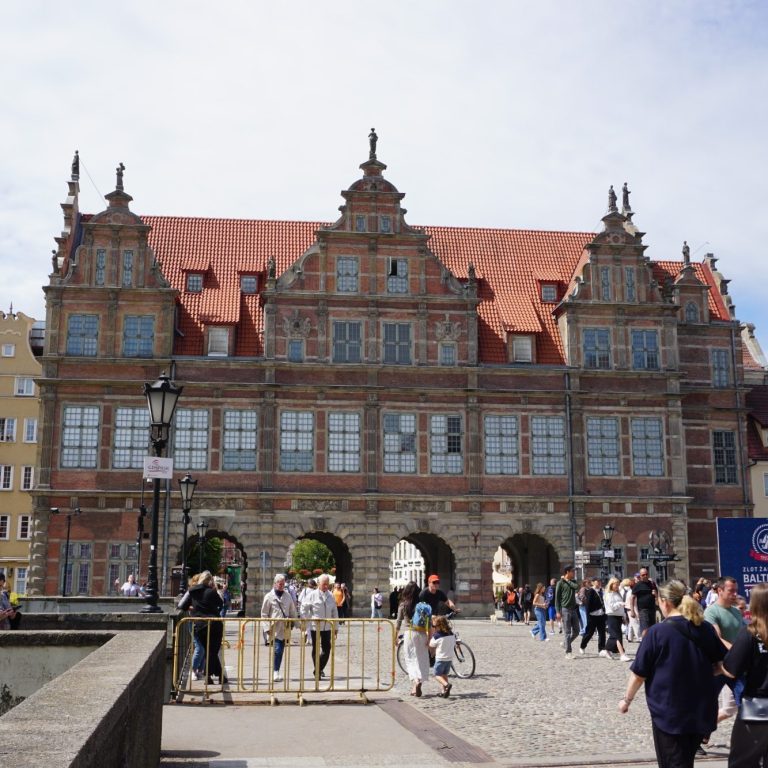
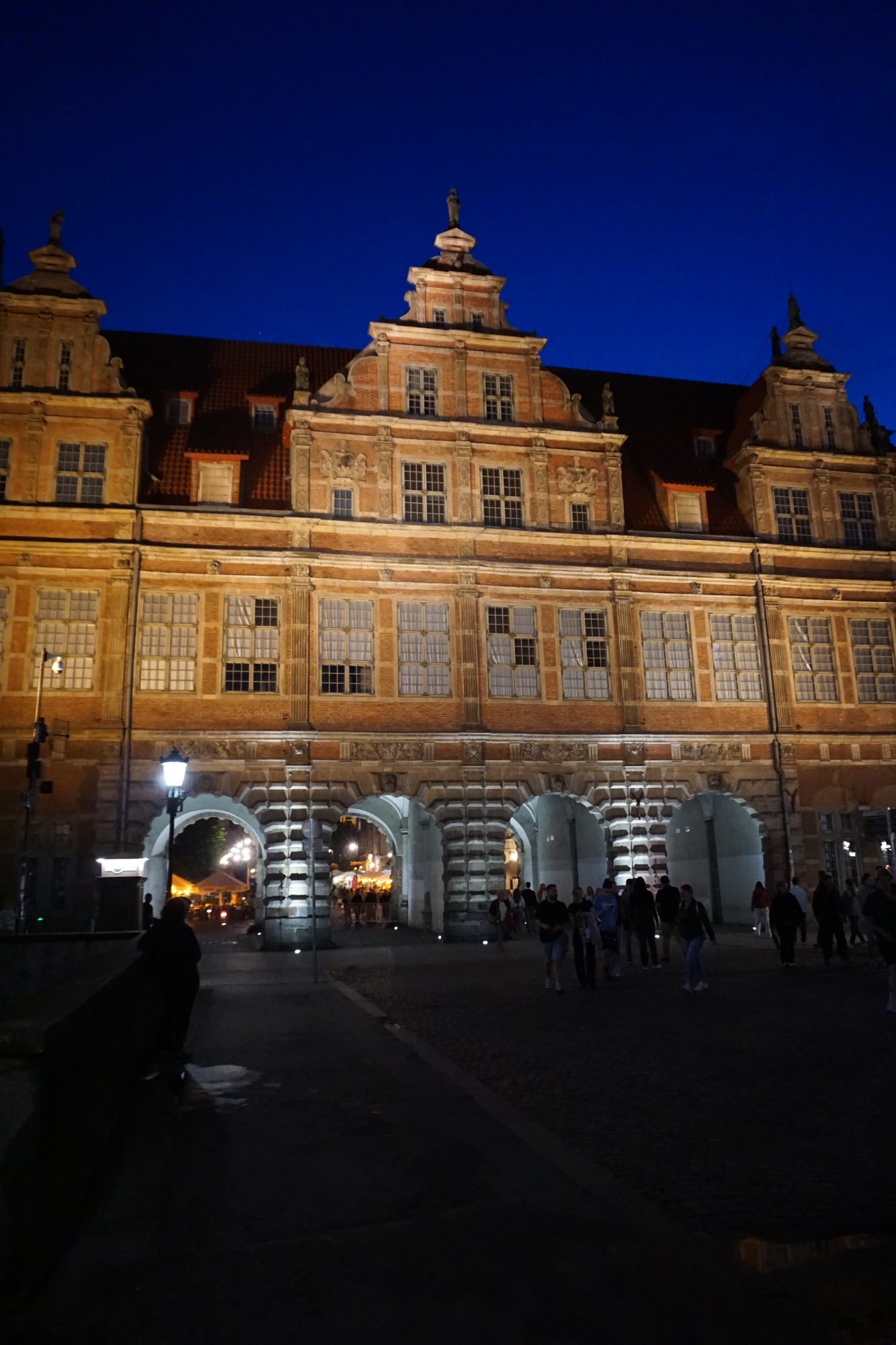
The Green Gate, Gdansk
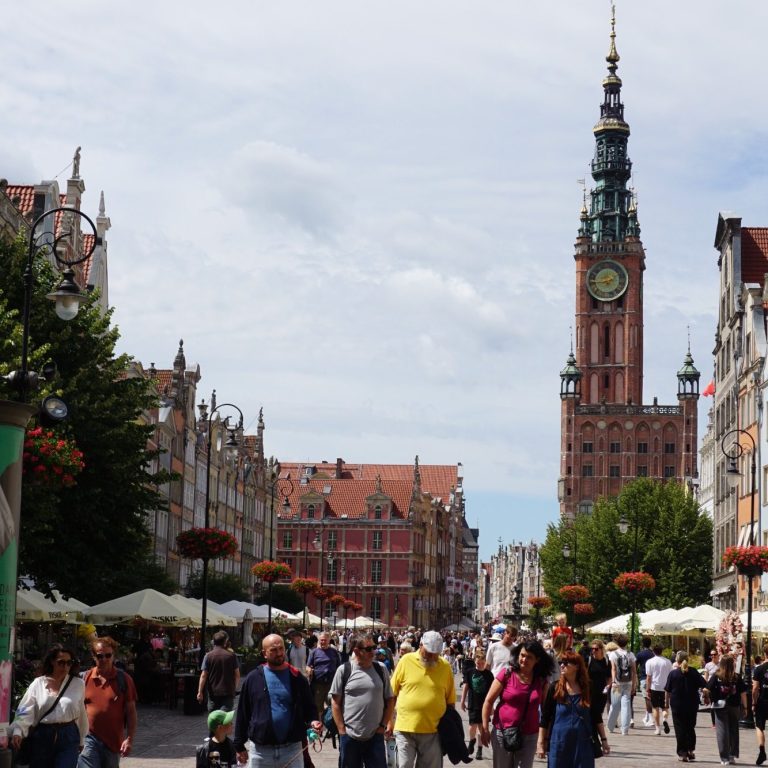
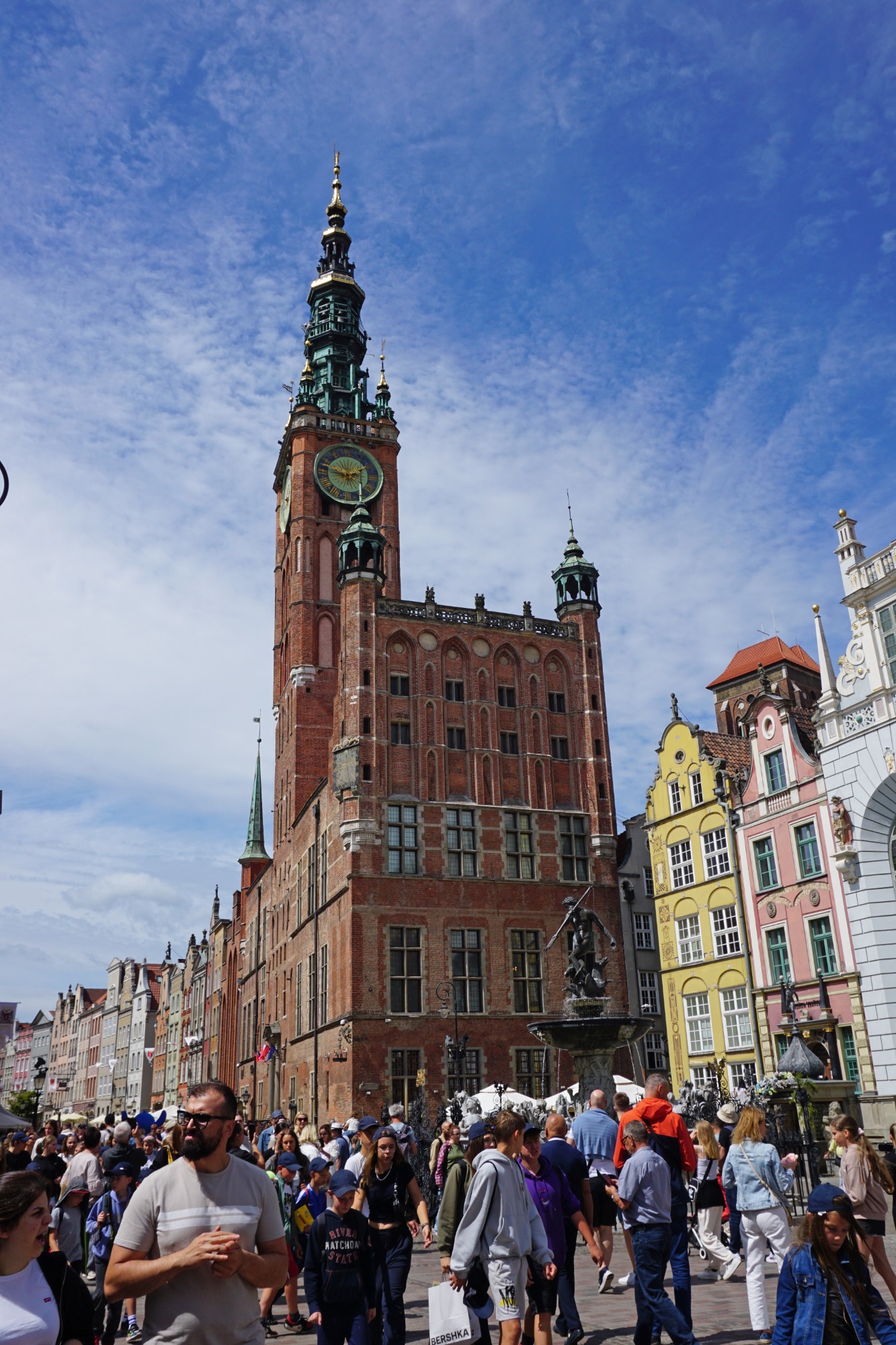
The Long Market, Gdansk
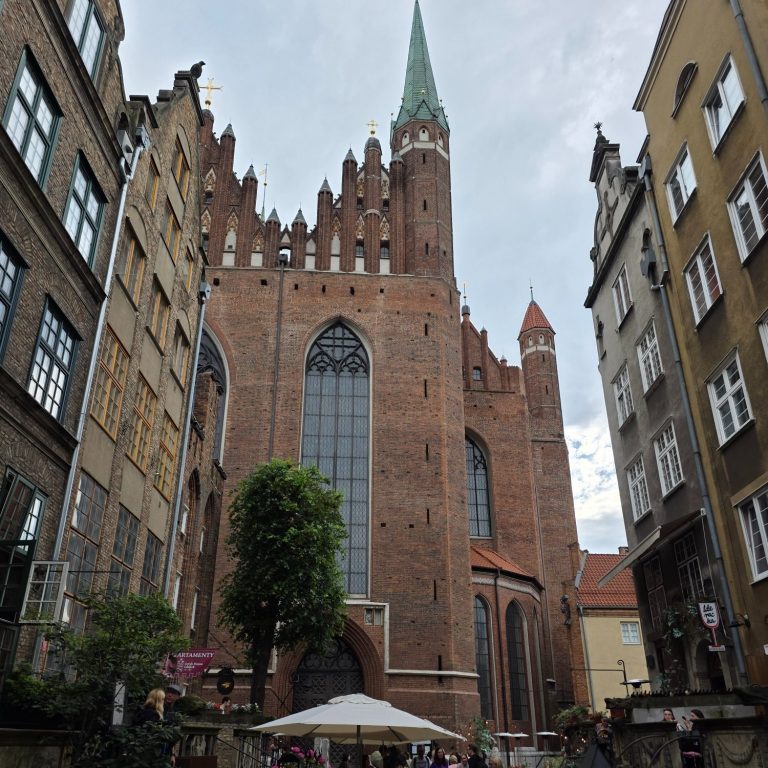
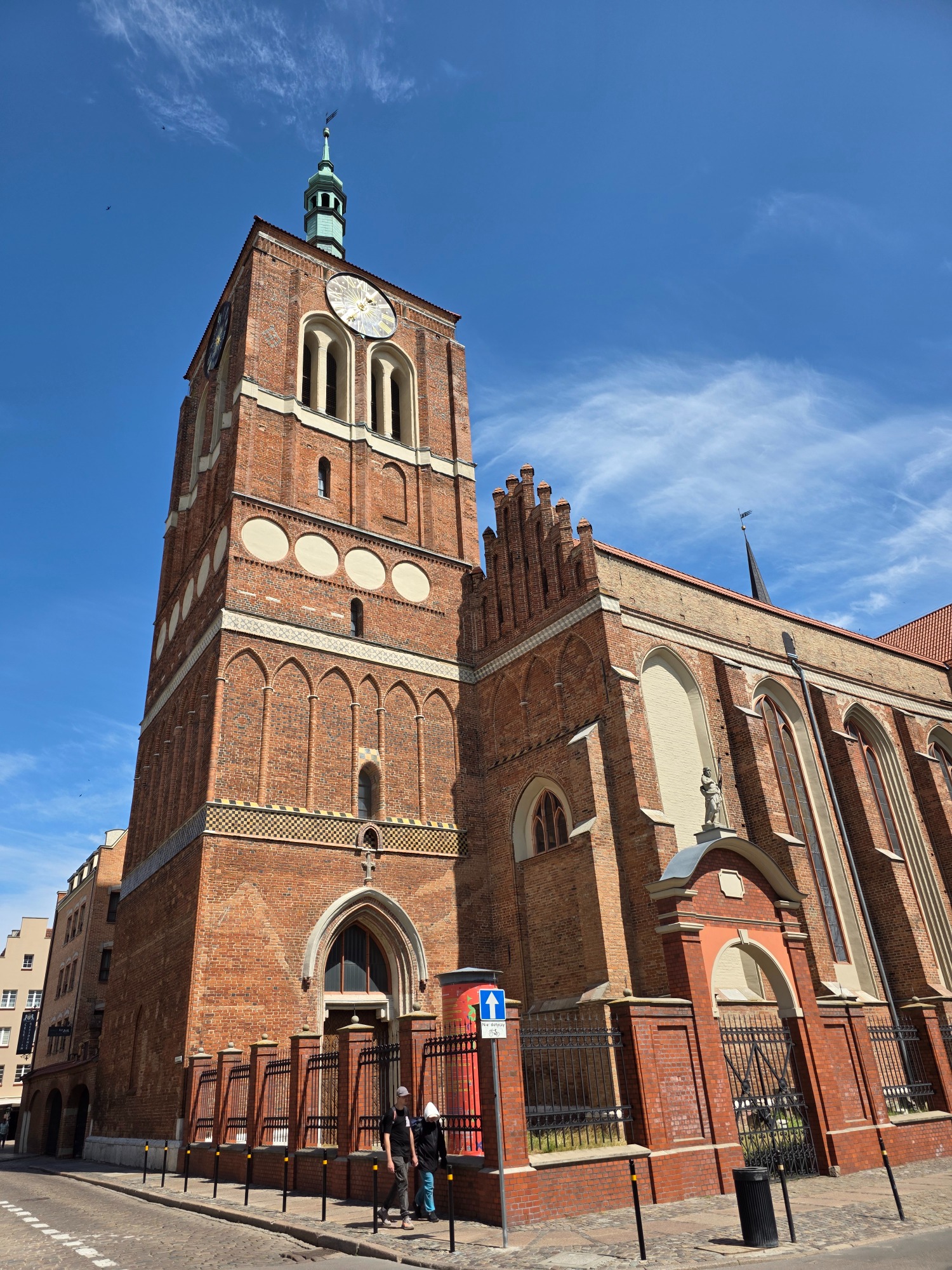
St. Mary's Church, Gdansk
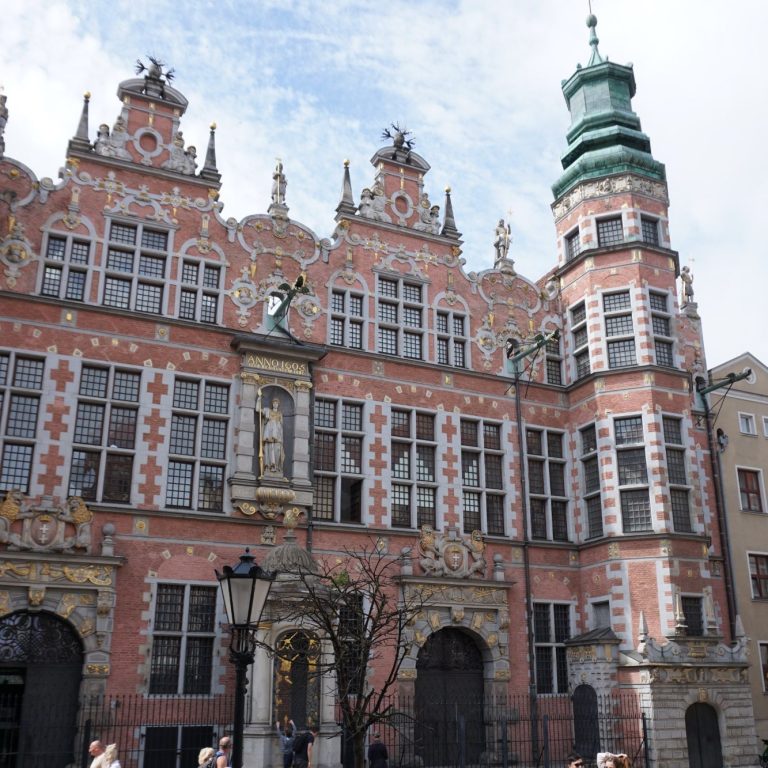
Great Armoury, Gdansk
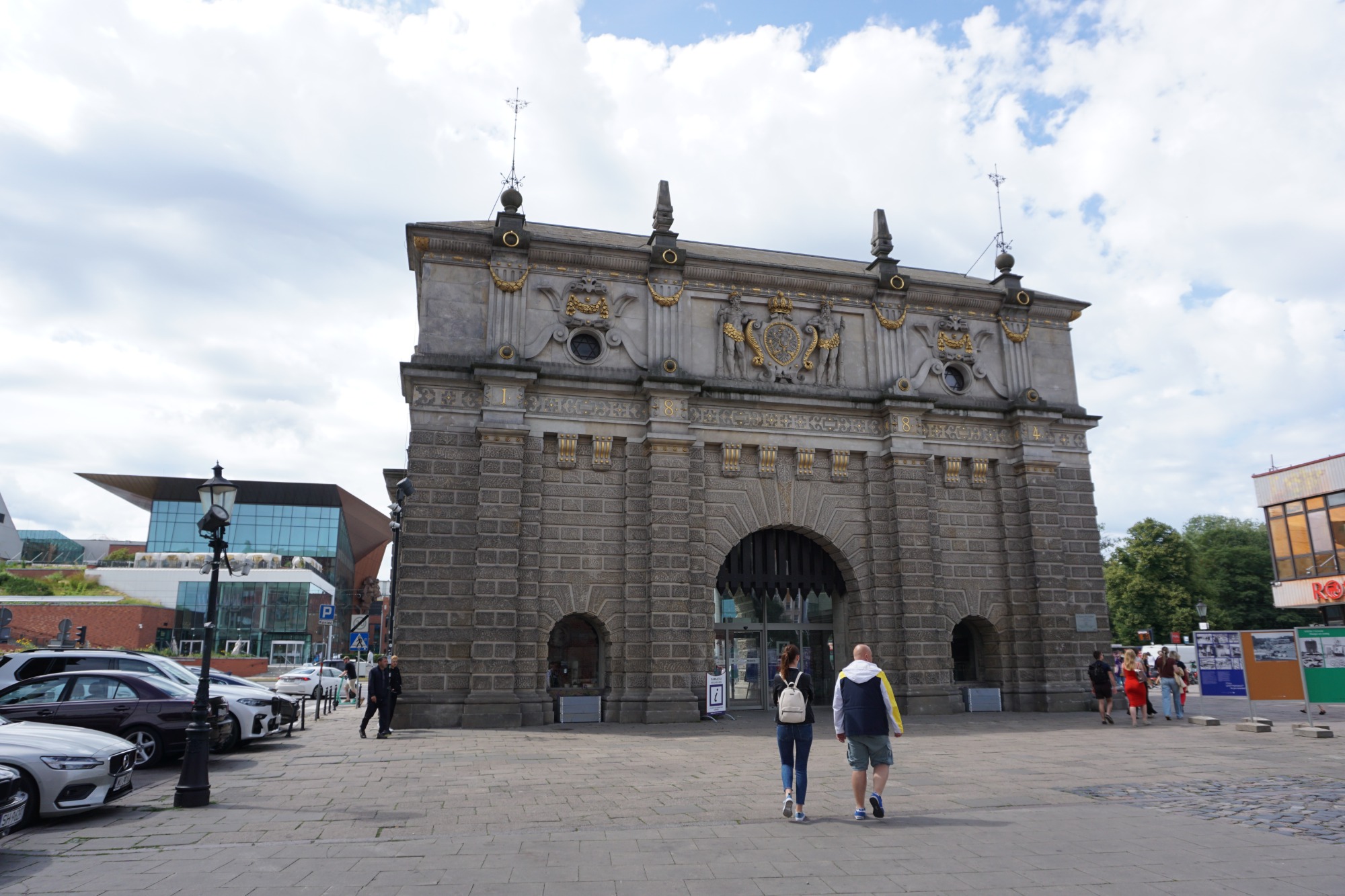
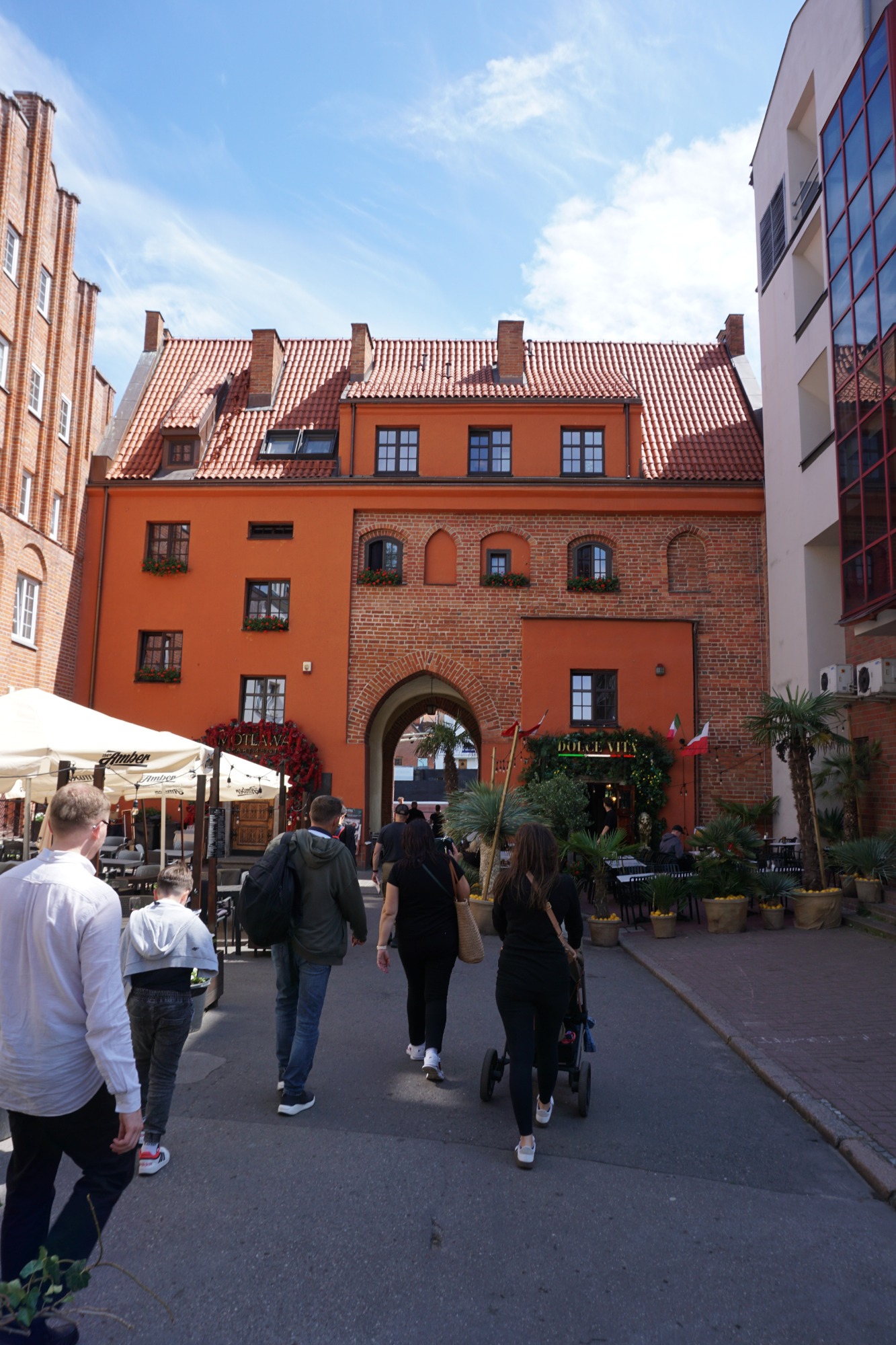
The Gatehouse and the Highland Gate are both visually and historically interesting. Across the street (Wały Jagiellońskie) you will find the Gdansk Forum, one of the main shopping centres containing all types of stores for those that enjoy holiday shopping, or in my case… the emergency purchase of a jacket due to a particularly aggressive rain storm. For history buffs, on the corner of Wały Jagiellońskie & Okopowa, sits the regional office of the ISA (Internal Security Agency), with insightful plaques on the role played by the resistance in Gdansk during WWII.
Granary Island is also packed with historical sights, history, architecture and restaurants, and is well worth spending an hour or so wandering around, and stopping for something to eat. I always recommend stopping in a restaurant serving local food at least once when you travel to a place, but I genuinely LOVE polish cuisine (especially Pierogi), so thoroughly recommend visiting a few Polish restaurants to sample the broad range of local and broader Polish dishes available.
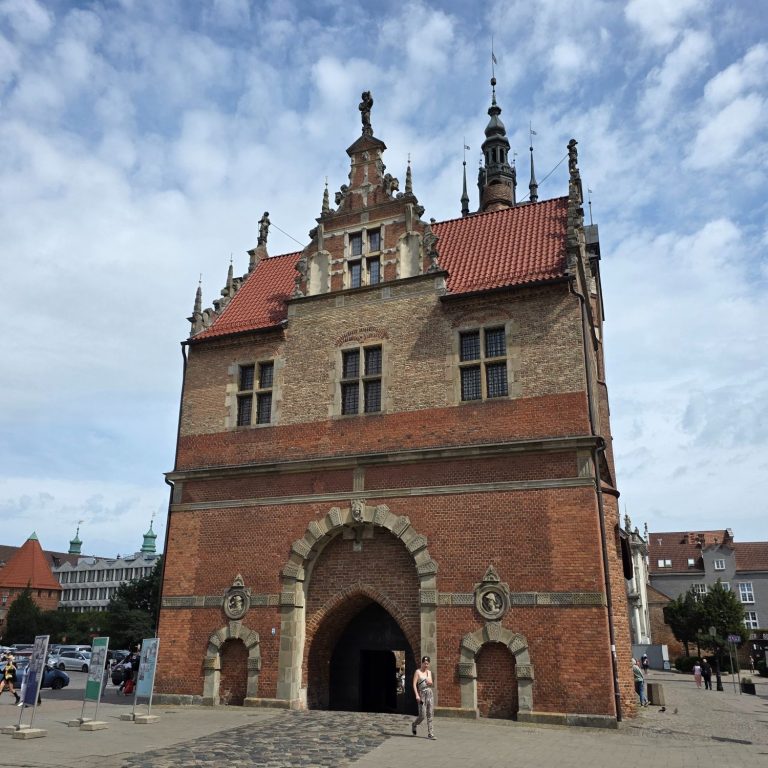
The Gate House, Gdansk
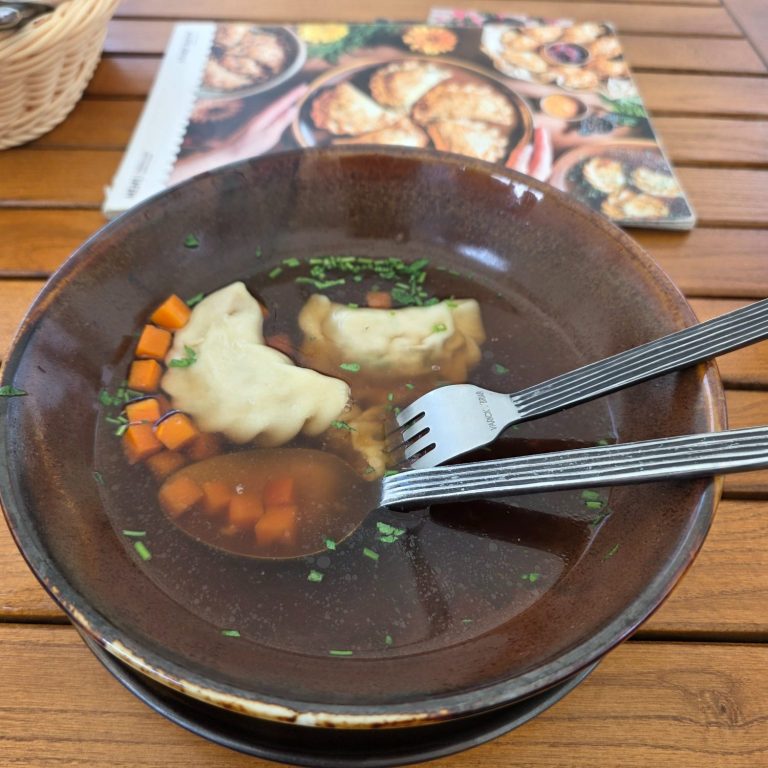
Pierogi Soup
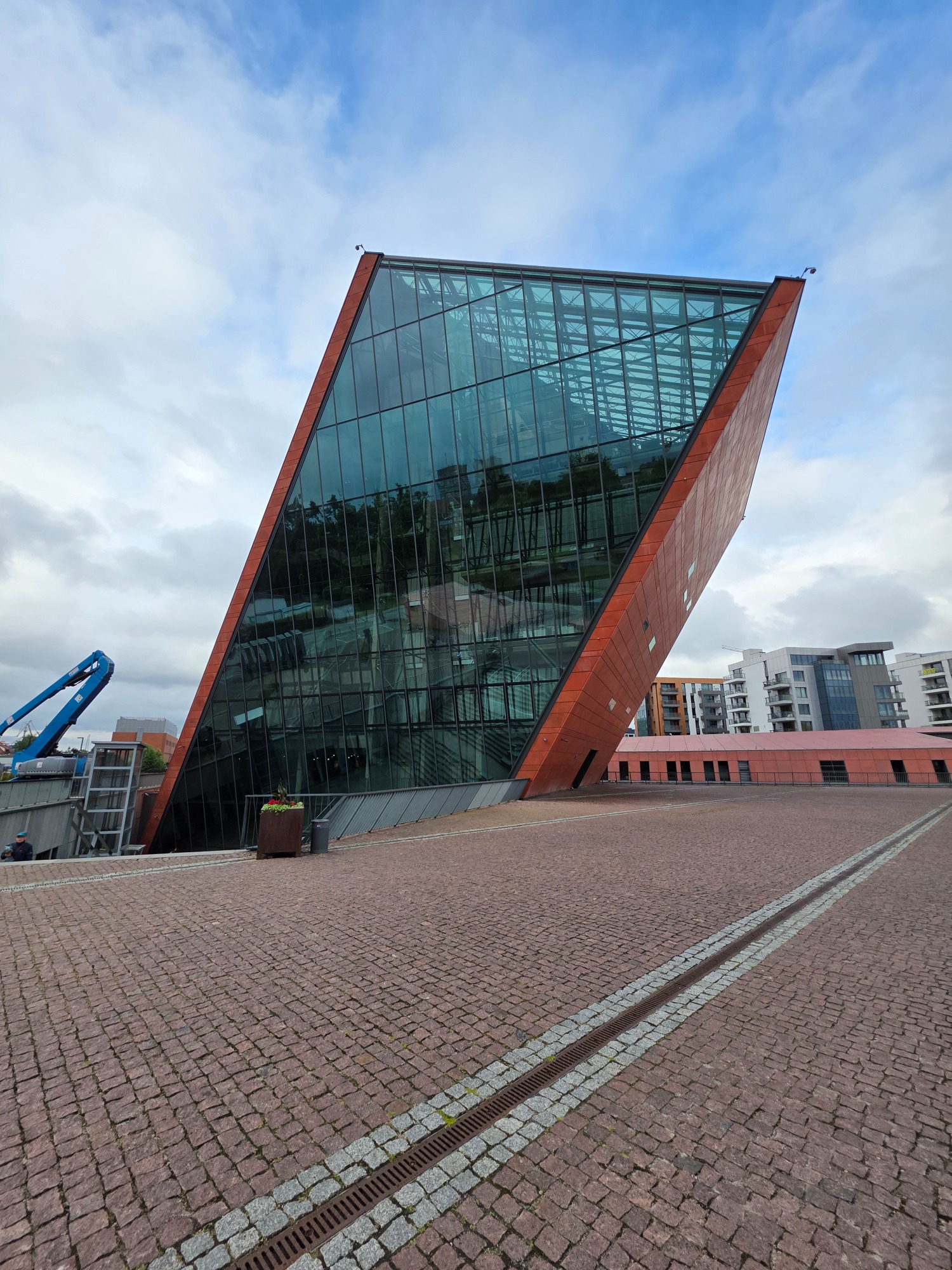
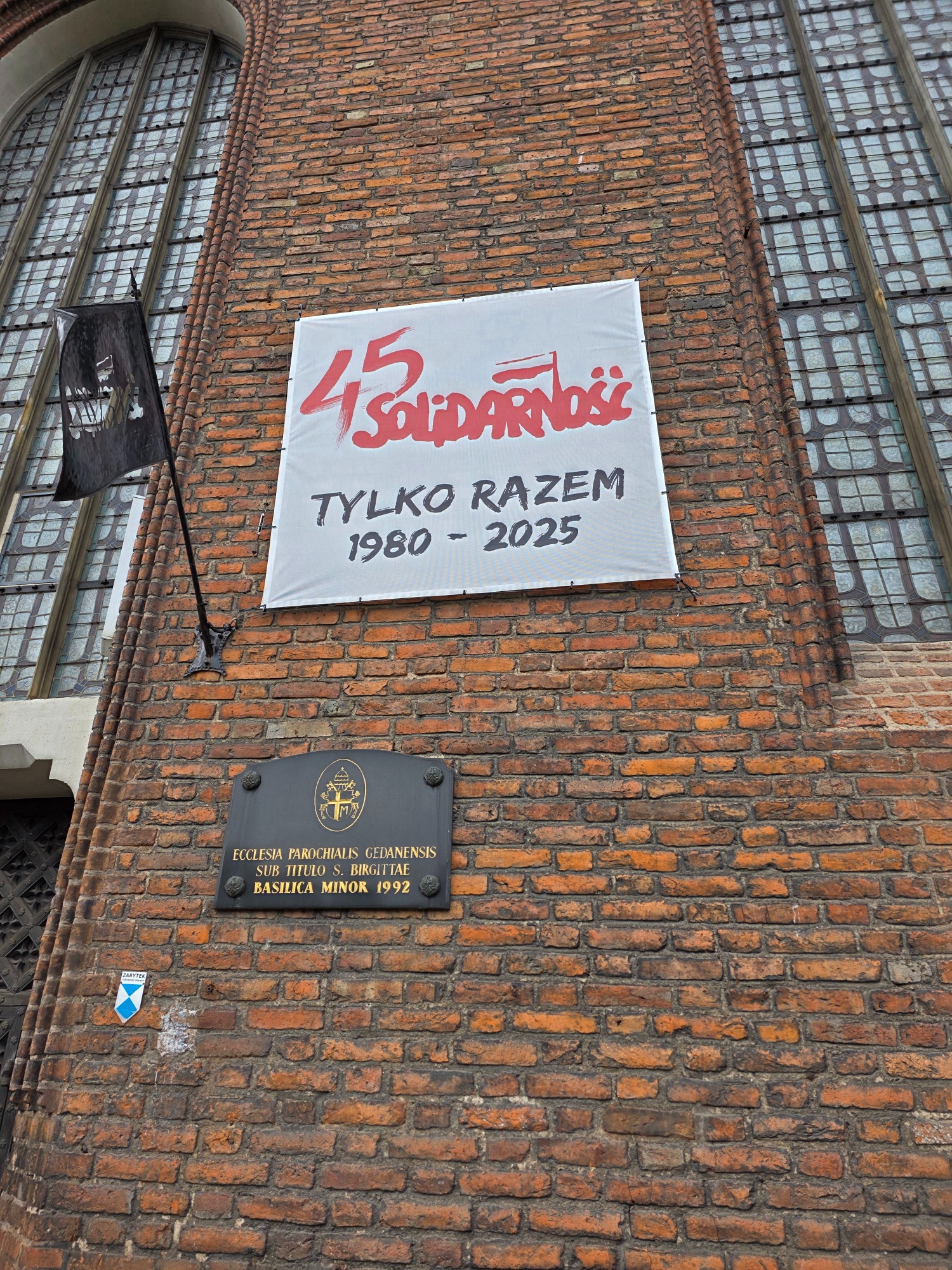
Beyond the main old town, the North West and North East of the old town also have a lot to offer in terms of sightseeing, history and restaurants. In the North West, I really enjoyed my visit and chilled walk north of the Old Port crane up to the Fish Market area, and over to Ołowianka, to take in and walk along the waterfront along the Gdansk Philharmonic, and the ship-museum "Sołdek”. Fron there back on to the mainland and heading inland to the Basilica of St. Bridget, the Spiritual home to the members and leaders of the Solidarity movement, and many surrounding sights, including the Bread Bridge and further north to the recently completed WWII museum is fascinating, and well worth a visit, even if history isn’t your thing (a Lime eScotter is a great way to get to and from here).
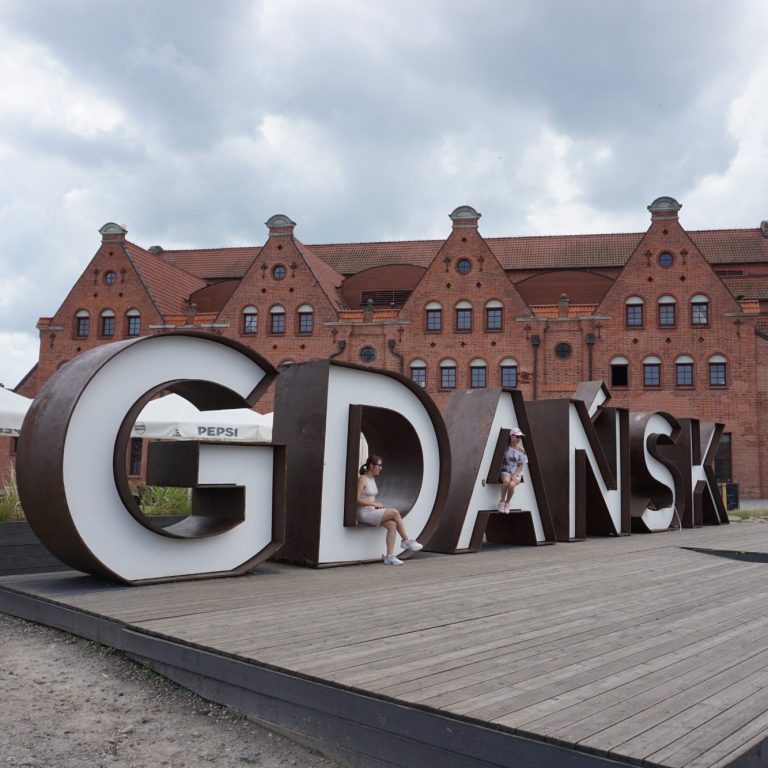
Ołowianka Island, Gdansk
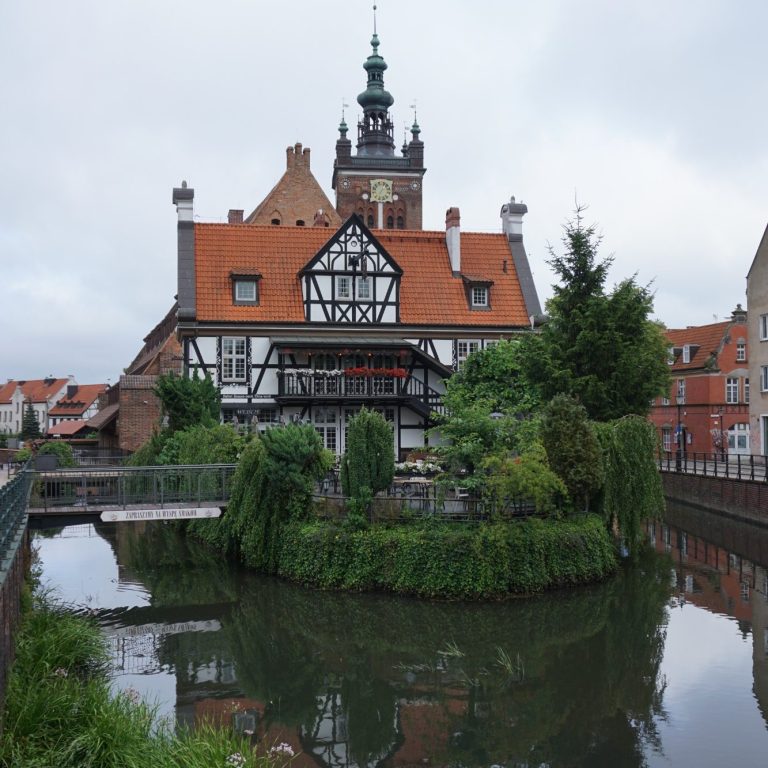
Bread Bridge, Gdansk
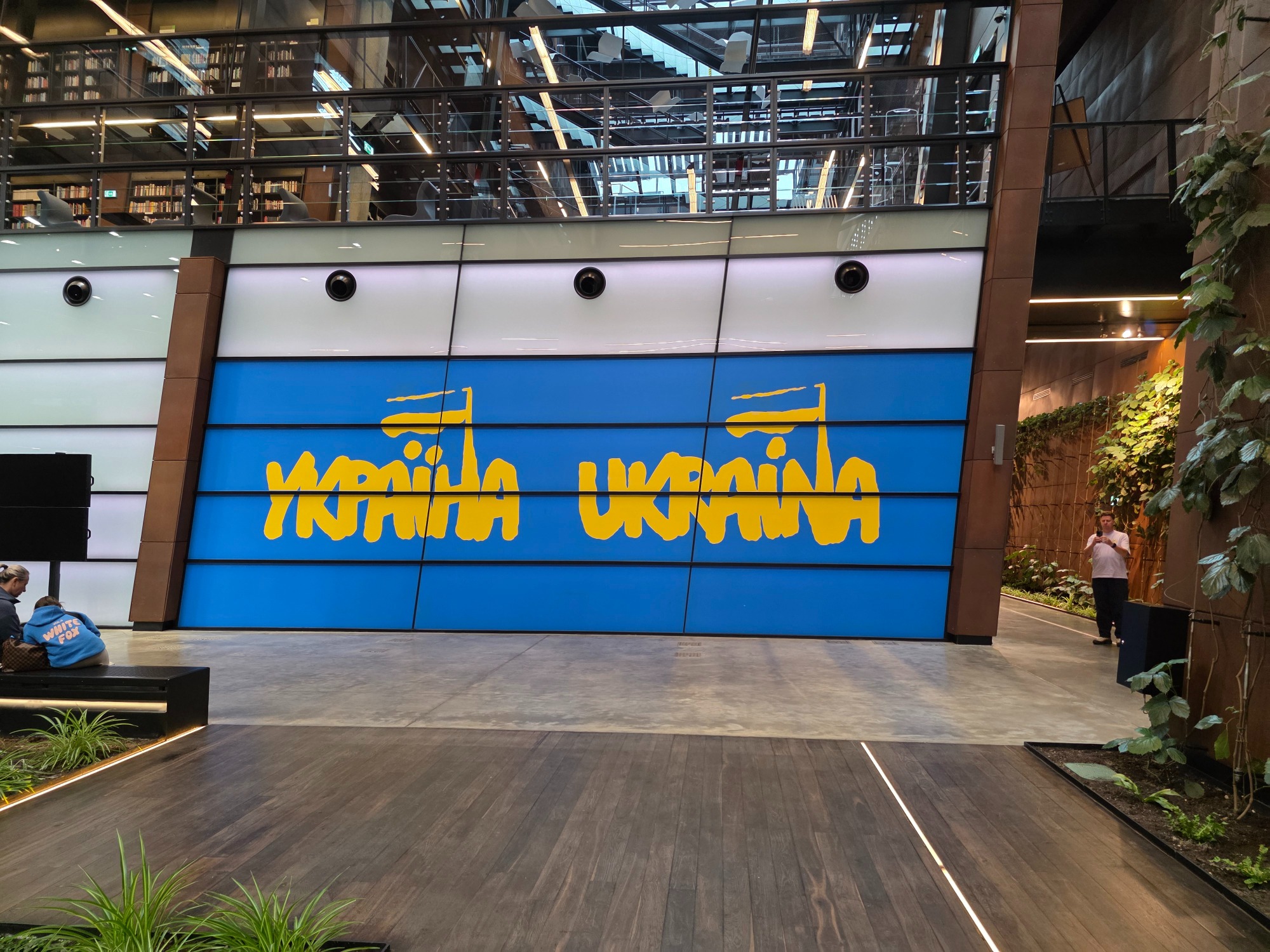
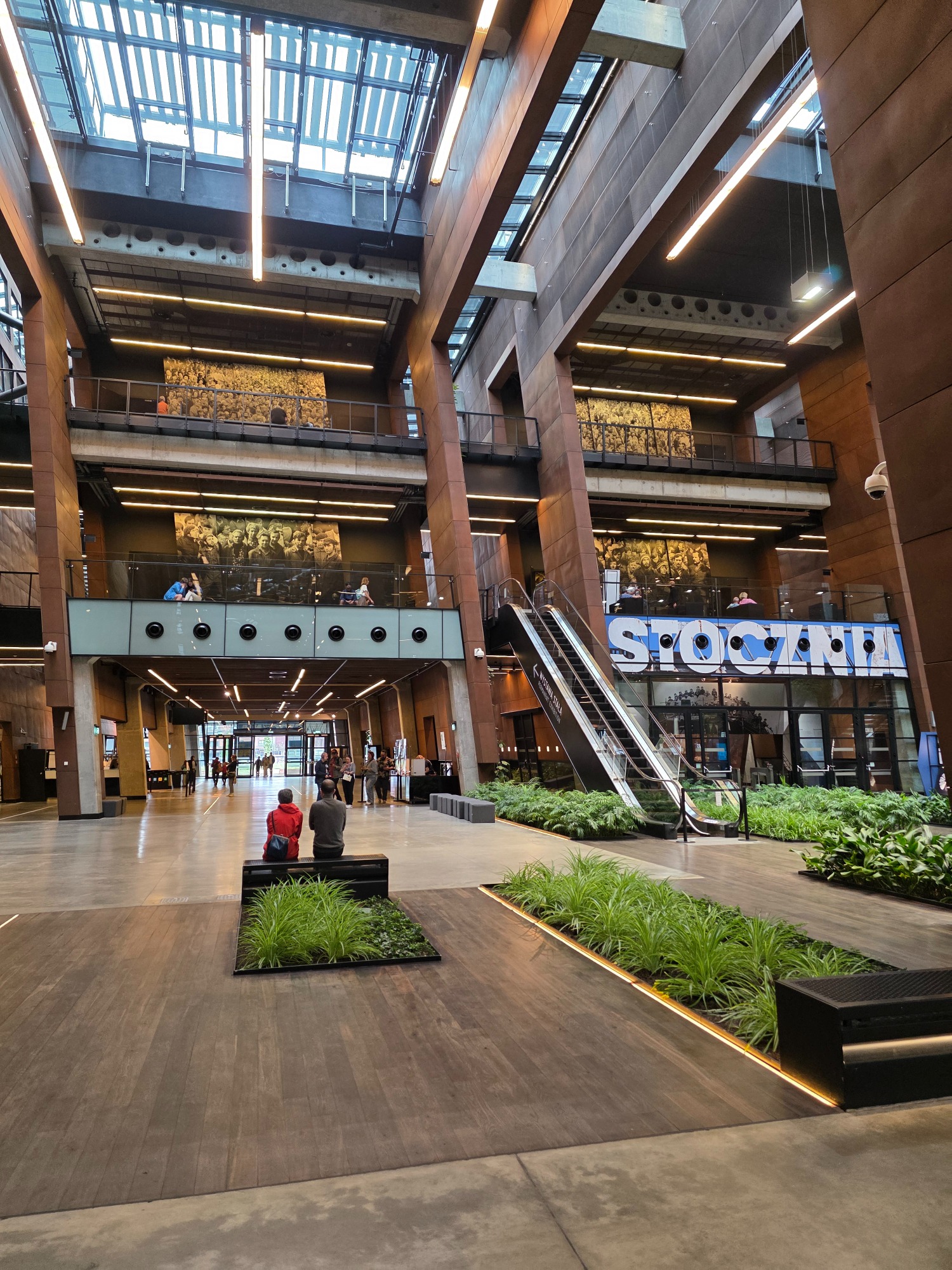
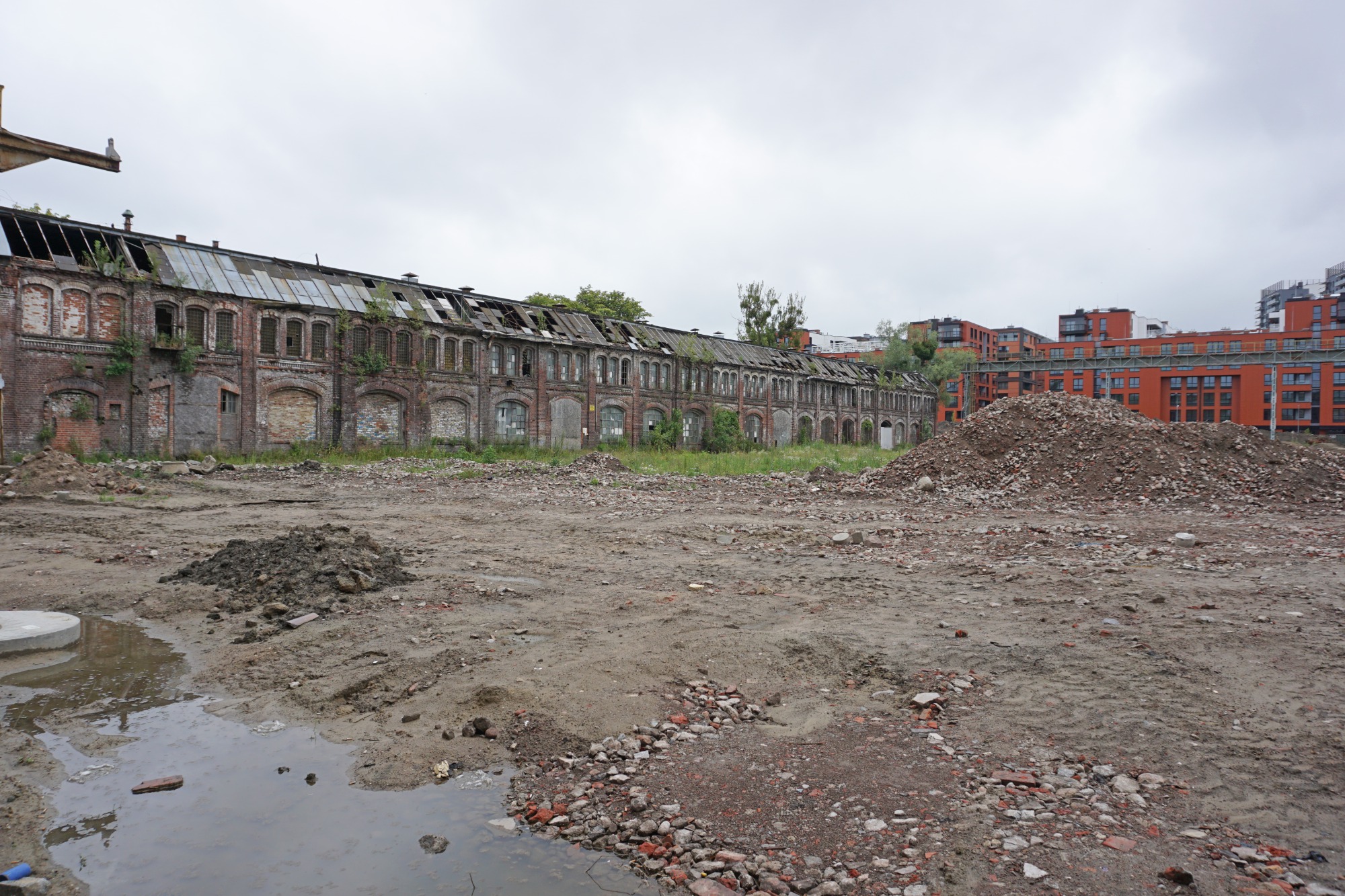
The European Solidarity centre was another stand out for me, both detailing the history and achievements of the Solidarity movement and other rotating exhibits. The Area of the old Gdansk Shipyards where the Solidarity movement grew is also particularly fascinating.
To get a good experience of the Baltic cost, and to delve deeper into the troubled history of Gdansk, I took a ferry from the Fish Market area in the old town to and from Westerplatte area for a good look around, and to soak up some sunshine.
For lovers of street art, the residential areas of Zaspa-Rozstaje boast a vast array of amazing, good, and slightly questionable street art on the sides of the buildings. Depending on the duration of your stay, taking a tram up and spending an hour or saw wandering around the area is a relaxing and enjoyable experience.
Overall I had a fantastic time in Gdansk, although with a city so steeped in history, culture and rising from multiple cultures over its history, I never had any doubt. The polish people are friendly and welcoming, their food (and its quality) is excellent, and compared to other European locations, Poland is still a relatively low cost destination.
I will definitely be back!
PS: Gdansk Maps and Itineraries are available in ‘Ready to Go’ for a broad mix of sightseeing, ‘Customised’, more tailored to you and your interests or ‘Bespoke’, for an experience entirely curated for you.
And make sure to use your language cheat-sheet – Even a few words to be polite will get you a warmer welcome!
Gdansk Gallery
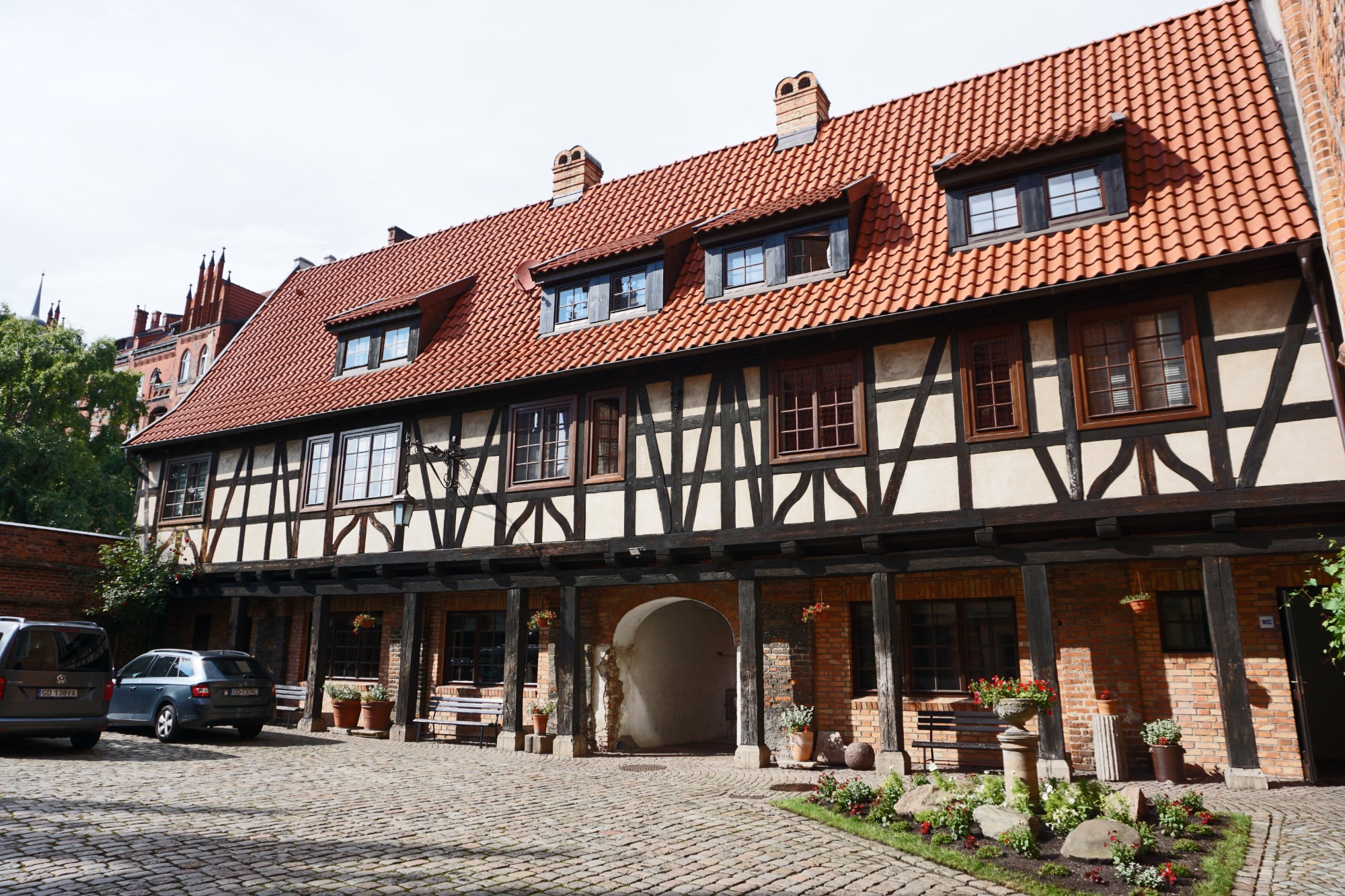
Gallery of some of our favourite pictures of Gdansk.